
Laser Cut Underwear Manufacturer for Private-Label No-Show Panty Programs
OEM/ODM for Laser Cut Underwear Supported by 20 Years in Underwear Manufacturing
- Custom MOQ: 2,000 pieces per color per style.
- Ready-stock MOQ: 200 pieces; available styles, colors, sizes, and packing are subject to current stock.
- Development timing: confirmed after fabric, bonding method, size range, and sample requirements are reviewed.
- Product types: no-show thong, bikini, hipster, brief, cheeky, boyshort, and high-waisted underwear.
- Customization: fabric, color, size grading, gusset, logo, care label, hangtag, and packaging.
- Quality focus: measurement, stretch recovery, bonded-edge appearance, gusset construction, and packing checks as applicable.
- Buyers served: private-label brands, wholesalers, importers, retailers, and e-commerce sellers.
- Factory support: product development, pattern and grading review, sampling, bulk production, and packaging coordination.
Before Bulk Production: What We Need to Settle on a Laser-Cut Style
The first useful brief does not need to look polished. It does need to cover the target market, reference silhouette, size range, fabric direction, expected volume, price position, and packing format. That gives us enough context to separate fit-critical choices from details that can wait.
The cut edge gets most of the attention, but it is only one part of the job. Stretch recovery, bonded zones, gusset placement, and pattern grading all affect how the panty fits and how consistently it scales across sizes. The approved sample therefore becomes the working benchmark for measurements, materials, color, workmanship, and packing.
A finished tech pack helps, but it is not essential for the first review. A sketch, physical reference, or base style can be enough to begin. We then mark what is already decided, where a construction choice is still open, and which points need to be tested in sampling before the buyer commits to bulk.
Labels and retail presentation stay in the same development track, not on a last-minute checklist. Logo position, heat-transfer or printed care information, hangtags, polybags or boxes, and barcode requirements are checked against the garment and the intended order route. Final availability and technical suitability are confirmed for the individual program.
Planning the Range: Laser Cut Underwear by Shape, Edge Construction, and Selling Use
Buyers usually sort a laser cut underwear range in three ways: silhouette, construction, and market demand. Those labels help with range planning, but they do not settle the technical details. Fabric, edge treatment, support level, and size grading still need sample approval.
Core No-Show Collections: Laser Cut Underwear Silhouettes
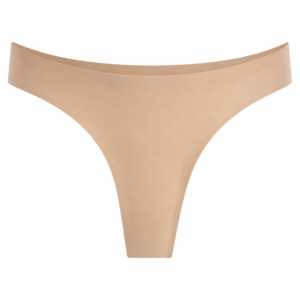
No-Show Thong
This low-coverage shape is a natural starting point for a no-show panties collection. The fit is set by more than the back line: waist shape, gusset width, bonded areas, and size range all need to be considered together.
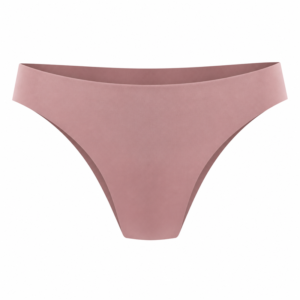
Laser Cut Bikini Underwear
Laser cut bikini underwear keeps the familiar coverage of an everyday bikini while removing the bulk of a traditional folded leg opening. It works well as a core style when buyers want an easy-to-understand fit and a lower-profile edge.
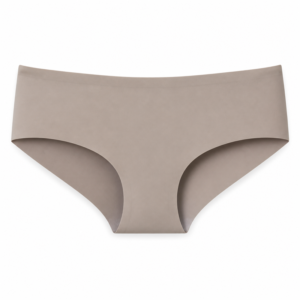
Laser Cut Hipster Underwear
Sitting lower at the waist, laser cut hipster underwear usually carries more width through the side than a bikini. Fitting focuses on the relationship between that side width, the rise, and the amount of back coverage.
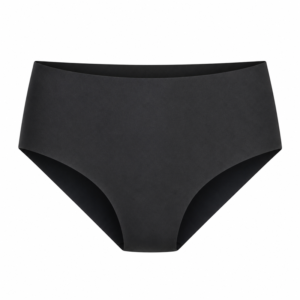
Laser Cut Briefs
For fuller coverage, laser cut briefs keep a classic outline while using a cleaner edge finish. They give buyers a no-show direction without forcing the assortment toward a minimal cut.
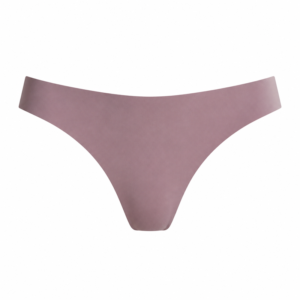
Laser Cut Cheeky Panties
A higher back-leg line gives laser cut cheeky panties their reduced seat coverage. The pattern and edge recovery still have to hold that line through fitting; the goal is a controlled, low-profile finish, not an absolute promise of zero visible lines.
Construction Options for Laser Cut Underwear: Where Cutting, Bonding, and Sewing Belong
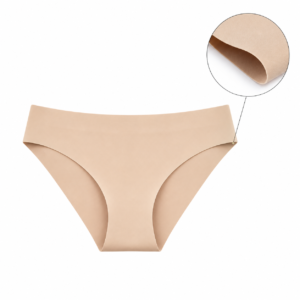
Raw-Cut Leg Openings Laser Cut Underwear
Here, the leg opening is cut without a traditional folded elastic hem. A clean result depends on the fabric itself, so knit structure, elastane content, recovery, finish, and cutting quality are reviewed together.
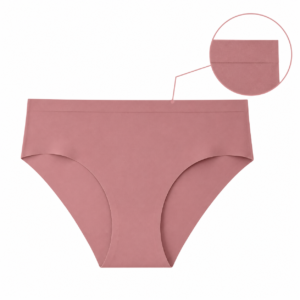
Bonded Waistband Option Laser Cut Underwear
A bonded waistband may take bulk out of the top edge, but the bond cannot be treated as a decorative detail. Its width, adhesive compatibility, stretch, and recovery are checked on the sample before bulk production.
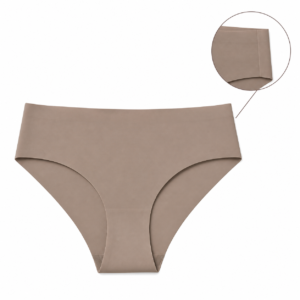
Bonded Side-Seam Option Laser Cut Underwear
Bonded side seams are an option for selected styles when a flatter side profile is required. Suitability comes down to fabric composition, seam location, target stretch, and the buyer's wash requirements.
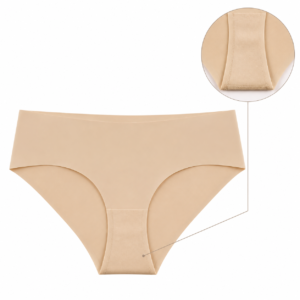
Sewn or Bonded Gusset Construction Laser Cut Underwear
Gusset attachment is chosen around the fabric, hygiene-layer requirements, and target price. Width and position matter just as much as the method, so the buyer approves the materials and the visible finish as part of the sample.
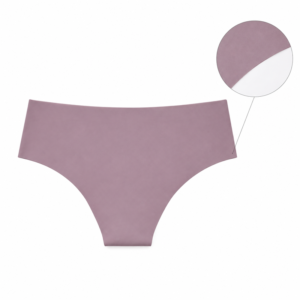
Clean-Cut Back Panel Laser Cut Underwear
When the seat edge needs a lower profile, a clean-cut back panel may be used. Back coverage, pattern tension, and grading are then checked together rather than judged from a flat sample alone.
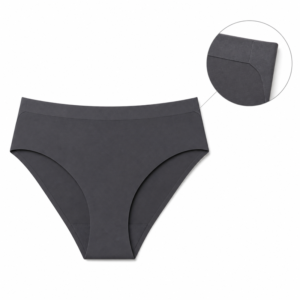
Reinforced Bonded Zones Laser Cut Underwear
Some designs need more stability in a specific zone. Bonded reinforcement or an extra layer can provide it, provided the placement does not leave the garment stiff or create a visible ridge.
No-Show Panty Styles for Different Selling Programs
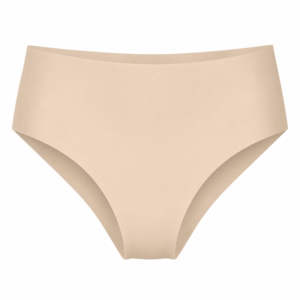
No-Show Panties
For no-show panties, the practical target is a controlled fit and a low-profile edge under close-fitting clothes. Results still vary with the outer garment, color contrast, fabric thickness, and body shape, so “invisible in every outfit” is not a realistic specification.
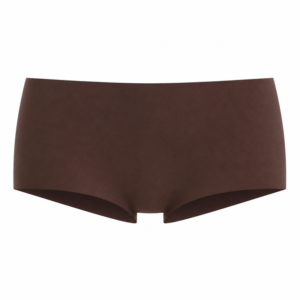
No-Show Boyshort
The no show boyshort adds side and seat coverage. It also gives the fitting team a longer edge to manage. As sizes increase, leg length, edge recovery, and back shaping do not always change at the same rate.
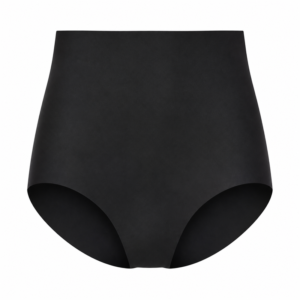
No-Show High-Waisted Underwear
No show high waisted underwear brings a higher rise into the same clean-cut or bonded construction. Waist recovery and body length deserve particular attention because they influence rolling and gaping, although no pattern can promise the same result on every body.
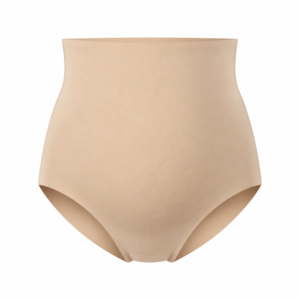
No-Show Maternity Underwear
No show maternity underwear is a custom development direction, not a standard claim carried over from regular briefs. The intended stage of wear guides the waist shape and coverage, while fit, material, rise, support, and labeling require technical review before sampling.
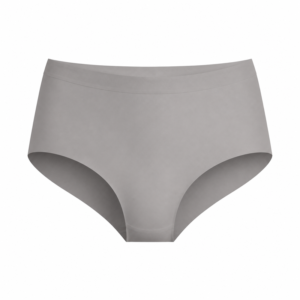
Smooth Base-Layer Underwear
In a smooth base-layer program, decorative trim takes a back seat. Buyers are usually deciding how much softness, recovery, opacity, and outer smoothness the range needs, then selecting the silhouette and fabric weight for that market.
A Clean No-Show Finish: Eight Control Points for Laser Cut Underwear
Laser cutting is only one part of the product. A dependable program also needs the right material, a workable fit, stable edges, and an approved specification that production can follow again.
Edge-Cut Quality
Accurate cutting gives the garment a neat, low-profile edge without adding a folded hem.
Bond Width and Placement
Where the fabric and design allow it, bonding may be used at the waist, side seam, or selected reinforcement zones.
Recovery After Stretch
Stretch alone is not enough. Recovery is checked as well, since weak recovery can show up later as gaping, movement, or fit drift.
Grade the Whole Panty, Not Just the Waist
Grading reviews the whole shape across the intended size range: rise, side width, gusset position, leg opening, and back coverage.
Gusset Position and Attachment
The approved sample fixes the gusset material, width, position, attachment method, and visible finish.
Soft Handfeel Without Losing Stability
Depending on the market, fabric selection may lean toward softness and lightness or toward greater coverage and support.
Coverage and Opacity
Required coverage is managed through a combination of color, fabric weight, panel placement, and silhouette.
Fit and Wash Review on the Approved Sample
Before the production standard is approved, sampling can include the buyer’s own checks for fit, appearance, stretch, and washing.
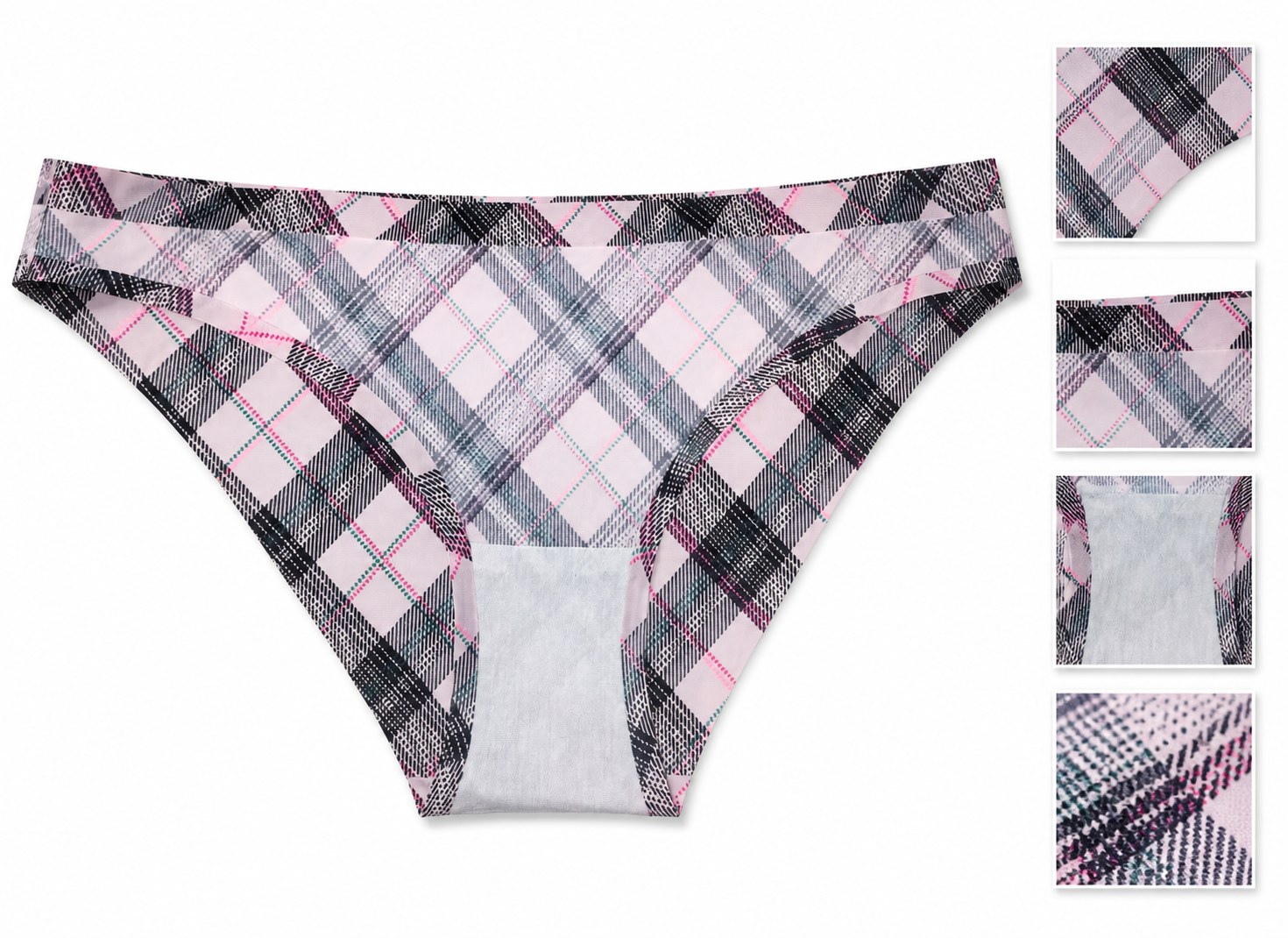
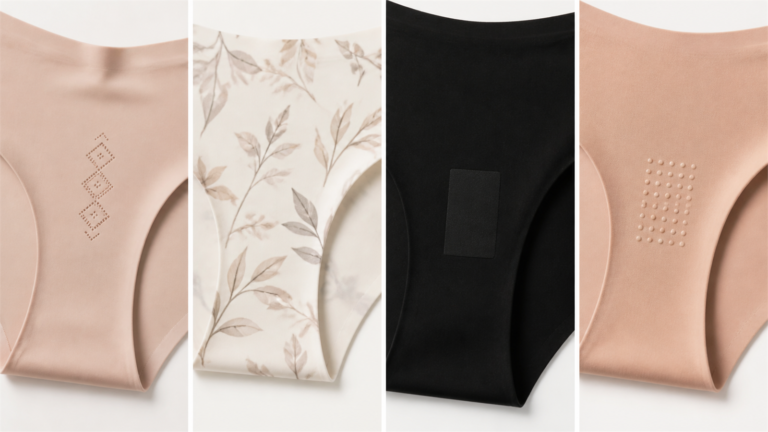
Printing and Branding on Laser Cut Underwear Without Compromising the Edge
Print approval needs to happen on the selected stretch fabric. Heat, ink, film, and curing can all change the hand feel, stretch, recovery, or even the way a cut edge behaves.
Placed Artwork and Small Logos
Placement screen printing can work for selected logos and graphics, provided the fabric, artwork, color count, and print area are compatible. A strike-off or garment sample should be approved before bulk production.
Full-Color Artwork on Suitable Fabrics
Detailed or multi-color artwork may point toward digital printing. The decision still depends on fabric composition, colorfastness requirements, stretch, coverage, and the minimums for that program.
Heat-Applied Care and Size Marks
Heat transfers are often considered for logos, size marks, or care information when buyers want a clean branded finish. The transfer material and application settings must be checked on the actual fabric, including temperature, pressure, stretch, and wash performance.
Grip or Silicone Details in Limited Zones
Silicone or grip-print details may suit a small functional or decorative area on selected designs. They need technical review first: the treatment can alter both stretch and handfeel, especially if the printed area is too large or poorly placed.
Edge Stability, Recovery, and Coverage in Laser Cut Underwear Fabrics
Fine-Gauge Nylon for a Smooth Hand
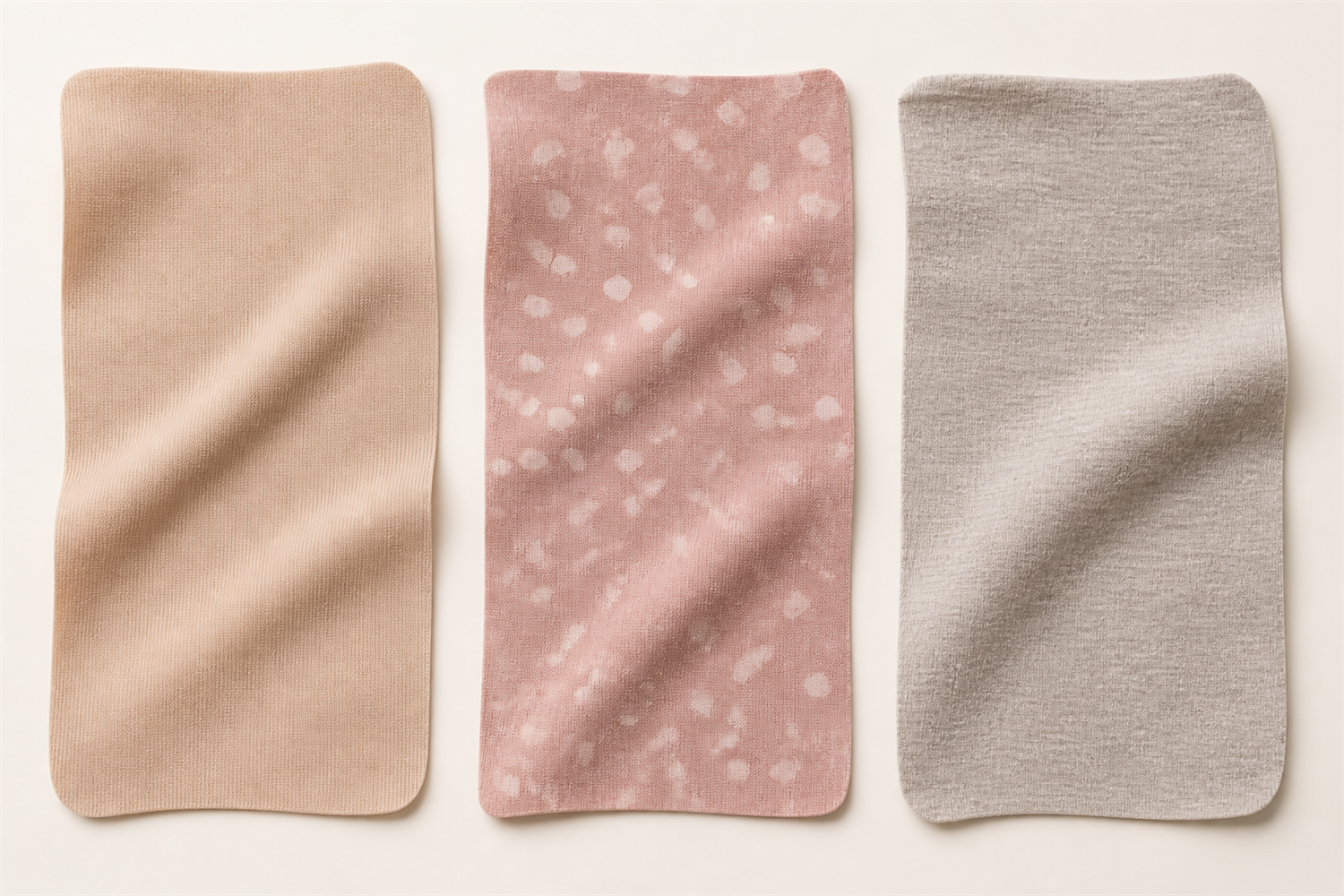
Fine-gauge nylon-elastane is a common starting point because it can combine a smooth hand feel with stretch, recovery, and a clean-cut edge. Composition, weight, opacity, and finish still need to be written into the approved specification.
Polyester When Print or Cost Leads
Polyester-elastane may be useful when print direction, performance, or price is driving the brief. Sample review should focus on edge stability and surface appearance as well as stretch and recovery.
Cotton-Rich Blends Need an Edge Test
A cotton-rich blend may appeal to buyers who want a more natural handfeel. It is not an automatic fit for laser cutting, though. The knit construction and finish have to hold a stable raw edge before the style can be confirmed.
China-Based Manufacturer of Custom Nursing Bras
From Brief to Packed Order: Six Approval Gates for Laser Cut Underwear
Each approval should leave a usable record. That applies to fit and edge behavior as much as it does to branding, materials, and packing. Once those requirements are clear, project timing can be confirmed.
Define the Commercial Brief
01
Confirm Product Direction
02
Sampling
03
Revision and Approval
04
Bulk Production
05
Packaging and Shipment
.
06
How Buying Priorities Change by Sales Channel for Laser Cut Underwear
Sourcing needs change with the sales channel. A first private-label range may need a tight style plan and extra development guidance; a repeat wholesale or retail program is more concerned with size ratios, packing, and reorder references. Golden Metro organizes the approved product specification around those practical differences.
Private Labels Need a Product Standard
repeatable production, size consistency, reorder-friendly workflow.
Wholesale Programs Need Reorderable Assortments
For wholesale and import programs, the range is usually built around core silhouettes, workable size ratios, color groups, commercial packing, and records that make repeats easier to compare.
Chain Stores Need Product and Retail Data Aligned
Chain-store programs need the styles and the retail details to line up. Grading, labeling, barcode format, packaging, carton requirements, and delivery planning should be agreed as one program.
eCommerce Starts with the Multipack and Listing Workflow
For eCommerce and Amazon orders, the brief should cover the product and the listing workflow. That may include multipacks, color combinations, size labels, required suffocation warnings, barcode-ready packaging, and product-image needs.
Growing Brands Benefit from a Focused Range
Growing businesses are often better served by a focused style plan than an oversized first range. Once the genuinely custom details are clear, MOQ, materials, construction, and packaging can be checked against the selected route.
Development and Order Support for Laser Cut Underwear
From Reference Style to Approved Bulk Standard: OEM/ODM Support for Laser Cut Underwear
Private-label support covers several different jobs: launching a no-show panties range, adapting a reference style, adding laser-cut options to an existing collection, or preparing a repeat order where fit, branding, and packing need to stay controlled.
Turn a Reference into a Working Specification
Development does not depend on a finished tech pack. A sketch, physical sample, reference image, or organized product brief can also provide the starting point. Feasibility is confirmed after the requested materials and construction have been reviewed.
Resolve Open Construction Choices
An incomplete technical package is workable, but the product still needs firm boundaries. Silhouette, coverage, rise, fabric direction, edge treatment, gusset, size range, and the order of approvals are defined before the project moves forward.
Hold Bulk to the Approved References
The approved product and packing references set the standard for bulk production. Any proposed change—material, color, fit point, or packaging component—needs review before it reaches the line.
Finish the Product for Its Sales Channel
Private-label options may include:
- custom logo application;
- printed or heat-transfer care and size information;
- hangtag
- polybag/box packaging
- barcode-ready packaging support
Each program confirms its own artwork, materials, placement, testing needs, minimums, and packing details before production.
Laser Cut Underwear vs Traditional Hemmed Panties: Where the Edge Changes the Product
Raw Edge or Folded Hem?
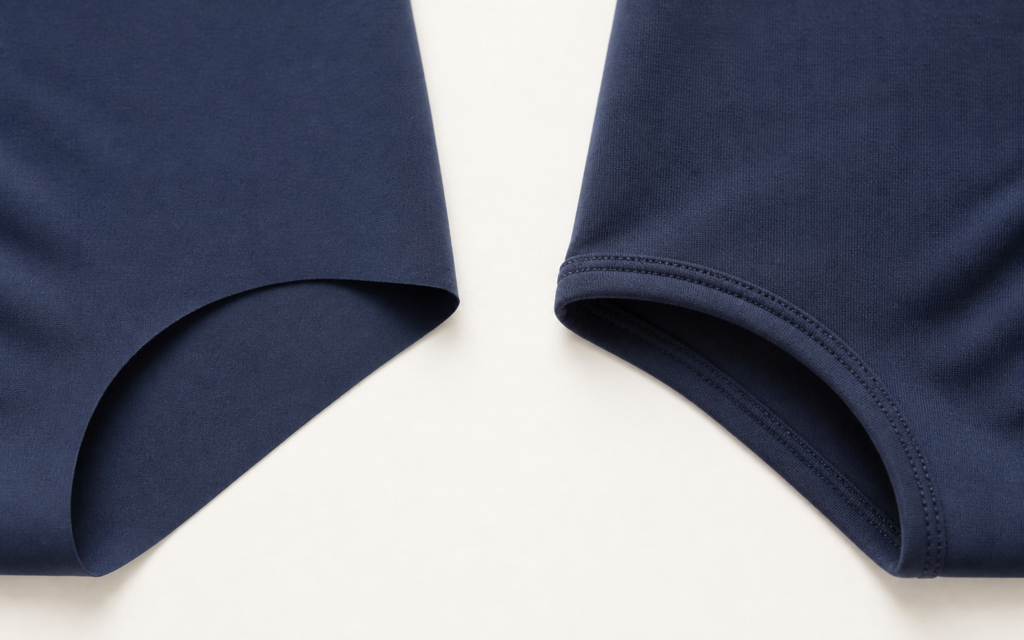
Laser cut underwear leaves a clean-cut edge and may use bonding in selected areas. Traditional panties usually finish the waist and legs with folded fabric, sewn elastic, or cover stitching. Neither construction wins by default; fabric, support, appearance, cost target, and end use decide which one makes sense.
Lower Bulk Does Not Remove Fit Risk
With no folded hem, a laser-cut edge can sit flatter and carry less seam bulk. Traditional finishing offers familiar elastic control and may be the safer choice for a fabric that will not hold a stable raw edge. In either case, visibility changes with fit, color contrast, the thickness of the outer garment, and body shape.
Each Construction Needs Different Control Points
The control points are different. Laser-cut programs put more weight on edge quality, fabric recovery, bonding compatibility, and any heat or pressure settings. Hemmed styles shift attention toward elastic tension, stitch quality, seam allowance, and thread performance. Both still need approved measurements and a fit reference.
Laser Cut Underwear vs Seamless-Knit Underwear: Choose the Route Before Sampling
Laser cut and seamless-knit underwear often sit in the same no-show conversation, yet they are made in different ways. That difference affects silhouette, development, minimums, and the kind of control a buyer can build into the range.
Panel-Cut and Laser-Finished
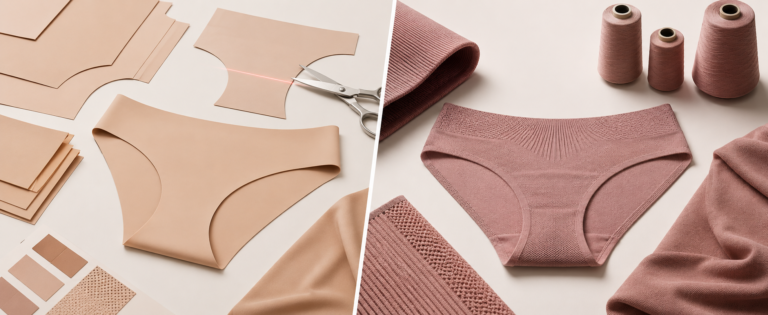
Laser-cut panties begin as fabric panels cut to the required shape. Assembly may be bonded, sewn, or a combination of the two. This panel-based route gives buyers control over familiar panty silhouettes and exact panel placement.
Engineered on a Seamless-Knitting Machine
Seamless-knit underwear is made through circular or engineered knitting, reducing cut-and-sew seams through the body. The method can build in stretch zones and comfort features, although its silhouettes, minimums, machine requirements, and development route differ from panel-cut underwear.
Hybrid Construction Needs a Feasibility Check
A hybrid concept may combine knitted or cut panels with bonded zones, clean edges, and limited sewing. It should not be assumed feasible from a drawing alone. The factory first reviews the fabric, structure, equipment, fit, and order quantity.
OUR WORKSHOP
Our production setup supports sample follow-up, bulk manufacturing, quality control, and shipment coordination for nursing bra and intimate apparel projects.
Warehouse
Workshop
Cutting Department
Seamless Bonding machine
Final Inspection Department
Sample Room
Need Help?
Laser Cut Underwear FAQ: MOQ, Sampling, Fit, and Packaging
What happens if a laser cut underwear fitting sample is rejected?
Start by tying the rejection to the exact sample version and the point that failed: measurement, garment balance, edge behavior, opacity, artwork, or wearer feedback. Comments should separate approval blockers from preferences. Golden Metro can then confirm whether the next step is a revised garment, a focused material or edge trial, or a clarification of the original brief. Any effect on price or timing is reviewed before another sample begins.
How should size ratios be split when an order includes a no show thong and no show boyshort?
Use sales history or a target-market size profile to set the starting ratio. The two silhouettes do not need the same breakdown. Submit units by size for every style and color, then check the totals against material allocation and the proposed packing plan. Freeze the ratio before those commitments are made, since a later shift toward larger or smaller sizes may change consumption, carton quantities, or packing work.
Can no show high waisted underwear and no show maternity underwear share one size chart?
Not automatically. The intended waist position, body length, and fit reference are different, so each style needs its own base-size measurements and fit review. If selected hip or gusset measurements are meant to stay common, mark them deliberately instead of carrying them over by assumption. Maternity size naming and product claims remain subject to the buyer’s destination-market requirements.
What information helps investigate complaints about laser cut briefs or laser cut cheeky panties?
To investigate the complaint, start with the purchase order, style, color, size, affected quantity, and the point at which the issue appeared. Add clear flat-garment photos, measurements taken by the agreed method, care history, and on-body photos when appropriate and supplied with permission. Golden Metro can compare that evidence with the approved specification, sample, material and color references, inspection records, and any retained production reference that is available. This helps separate an isolated fit issue from a broader material, process, sizing, or care question before corrective action is discussed.
Should light and dark colors be approved separately for laser cut bikini underwear and laser cut hipster underwear?
One approved shade should not automatically sign off every color. Light and dark versions can differ in visible opacity, edge definition, and the appearance of bonded or heat-applied areas. Depending on the risk, the check may use a color-specific fabric swatch, edge trial, print or transfer strike-off, or finished garment. Agree on that route before bulk material is released.
Can private-label packaging be changed on a repeat laser cut underwear order without resampling the garment?
Sometimes a revised artwork or packing mock-up is enough, but a packaging-only change does not automatically bypass the garment. A different fold, insert, adhesive label, heat-applied mark, or tight box dimension can interact with the product itself. Send the revised dieline, artwork, barcode data, and packing method so Golden Metro can confirm whether packaging approval is sufficient or a garment-and-pack trial is safer. Settle any commercial or timing effect before the repeat order is released.
Can a buyer nominate the fabric or bonding supplier for no-show panties?
A buyer may nominate a source, but that only answers where the material comes from, not whether it will work for the product. Provide the supplier contact, material or adhesive reference, composition, weight, finish, color information, technical sheet, and expected availability. Before sampling, both sides should agree who handles purchasing, supplier minimums, shade continuity, rejected or replacement material, and any required testing.
Buyer Guides
Not sure which nylon construction fits your program? Read our single-sided vs double-sided nylon fabric sourcing guide before locking the fabric specification.