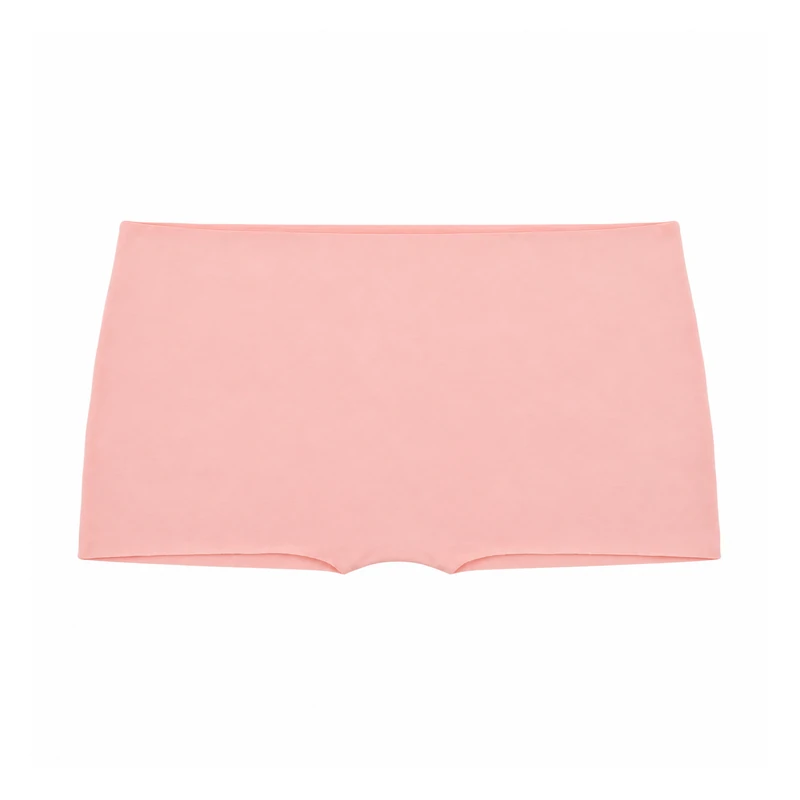
Shallow Leg No Show Boyshort
For your core range, start with a shallow short leg and a plain surface. GM trials the rise, leg opening and clothing outline.
Develop the Shallow Leg
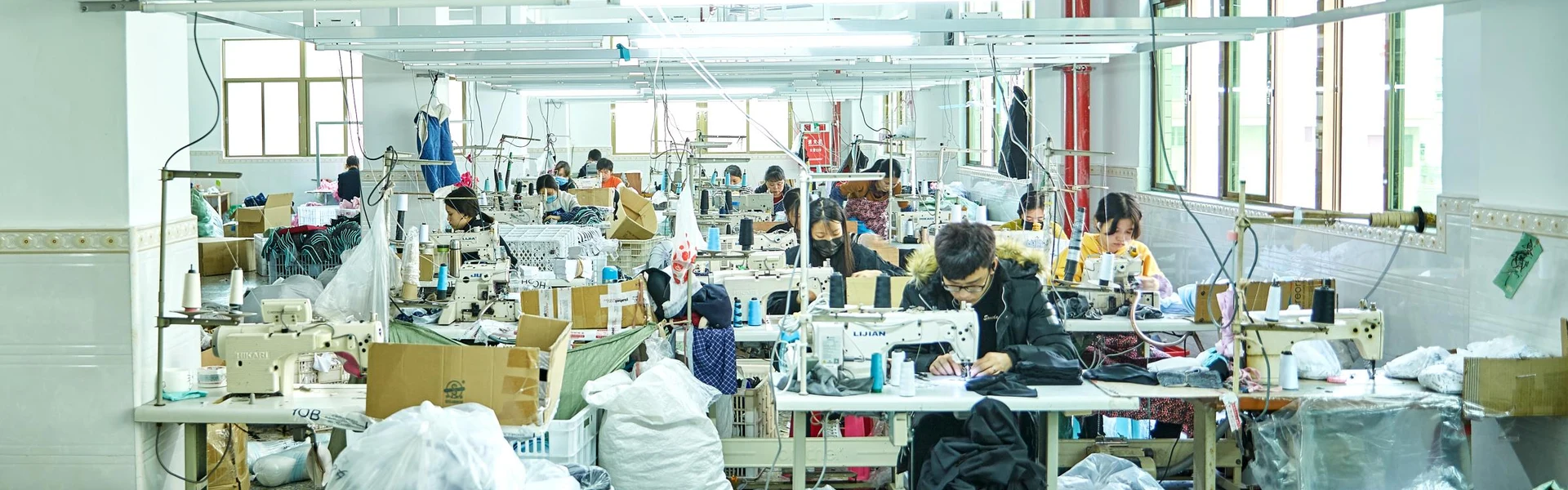
GM GARMENTS · FACTORY DIRECT · SHANTOU, CHINA
Your short-leg range, developed and checked at our factory.
Ask about a free existing reference sample. Availability and shipping are confirmed for your project.
Ask for a Reference Sample
Trial quantities can also be reviewed against your chosen specification, material minimums and sample costs.
Your no show boyshorts start with a smooth short-leg shape and thin, flat waist and leg edges. GM helps you set the rise, leg extension, seat coverage and gusset position from your reference or tech pack. Your wholesale assortment can keep a consistent coverage profile, while your brand can develop the fit and fabric around its own specification.
Choose the silhouettes and edge appearances below as your sampling starting points. GM checks the proposed material, edge treatment and any necessary interior attachments before preparing samples. If your brief uses seamless boyshorts, record the actual construction you want to approve. Your team reviews the finished garment under the agreed outer clothing, with measurements, photographs and revisions tied to its sample version.
Compare No Show Boyshort styles for your range. Choose a direction to discuss with GM for sample development.
Start with the rise, leg endpoint and waist finish that suit your assortment.
For your core range, start with a shallow short leg and a plain surface. GM trials the rise, leg opening and clothing outline.
Develop the Shallow Leg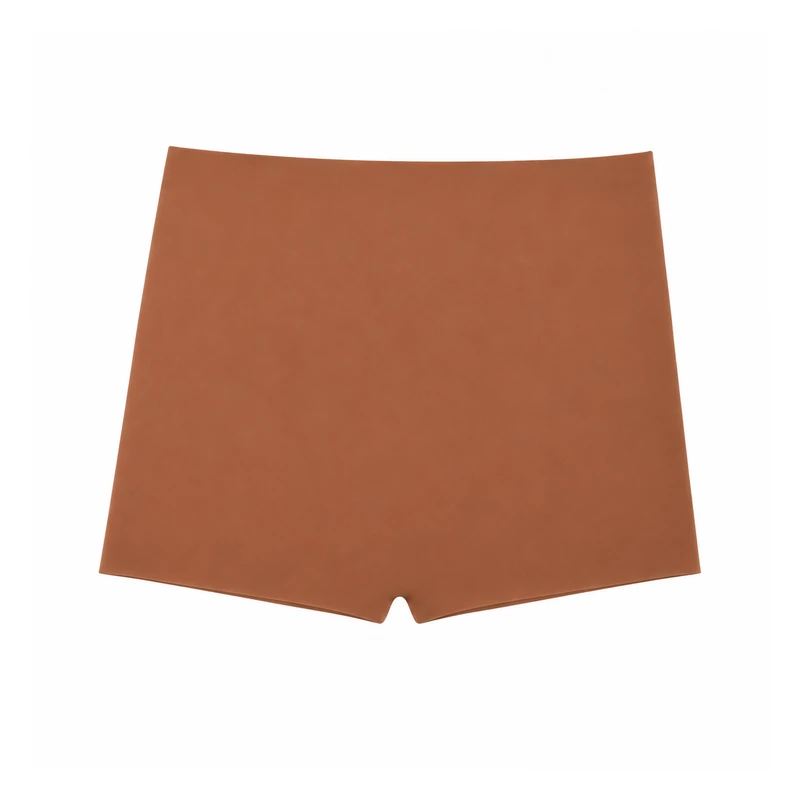
Choose a mid rise smooth style for your everyday assortment. GM samples the waist position and leg coverage against the measurements you approve.
Set the Mid Rise Fit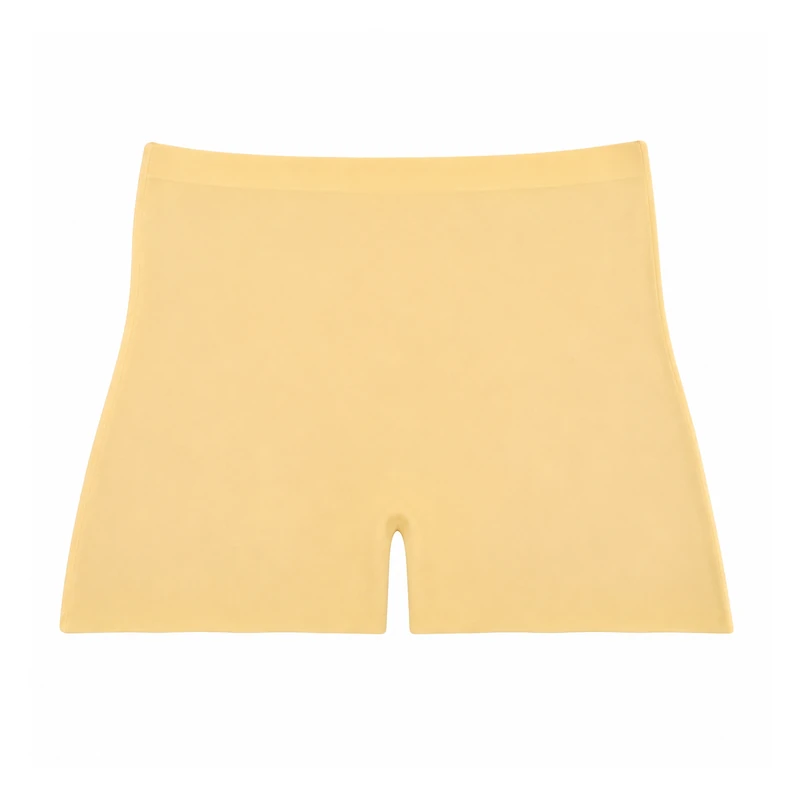
Compare a longer short leg and broad waist finish for your coverage range. GM samples the leg endpoint and waist opening before you choose.
Choose the Short Leg Coverage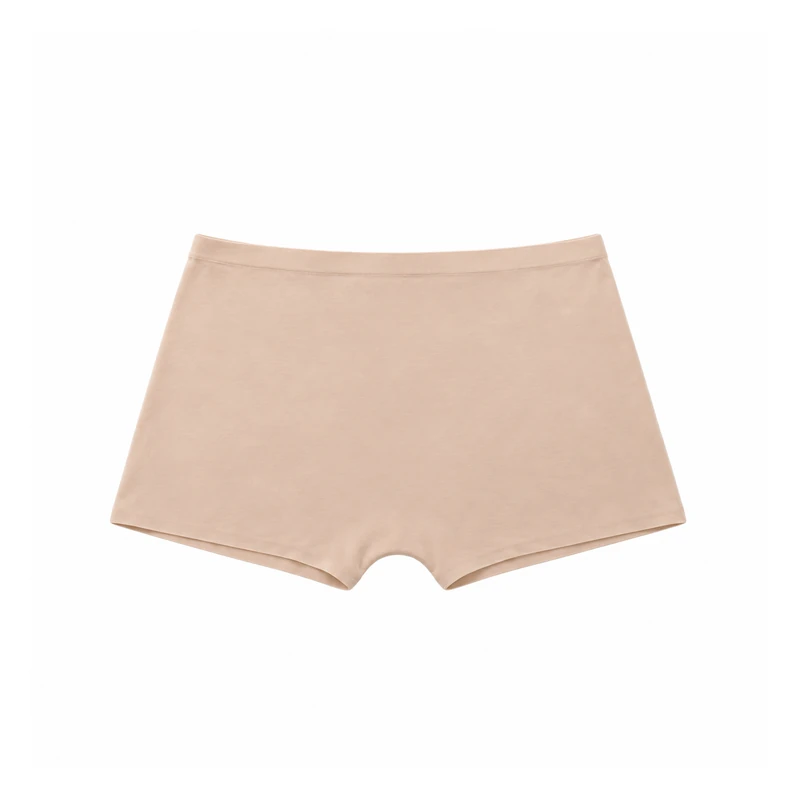
Compare a flat waist finish and a squared short leg outline for your basics range. GM samples waist flatness and leg coverage with you.
Assess the Flat Waist FinishCompare surface detail, a cotton blend direction and a contrasting waist finish before you choose your sample.
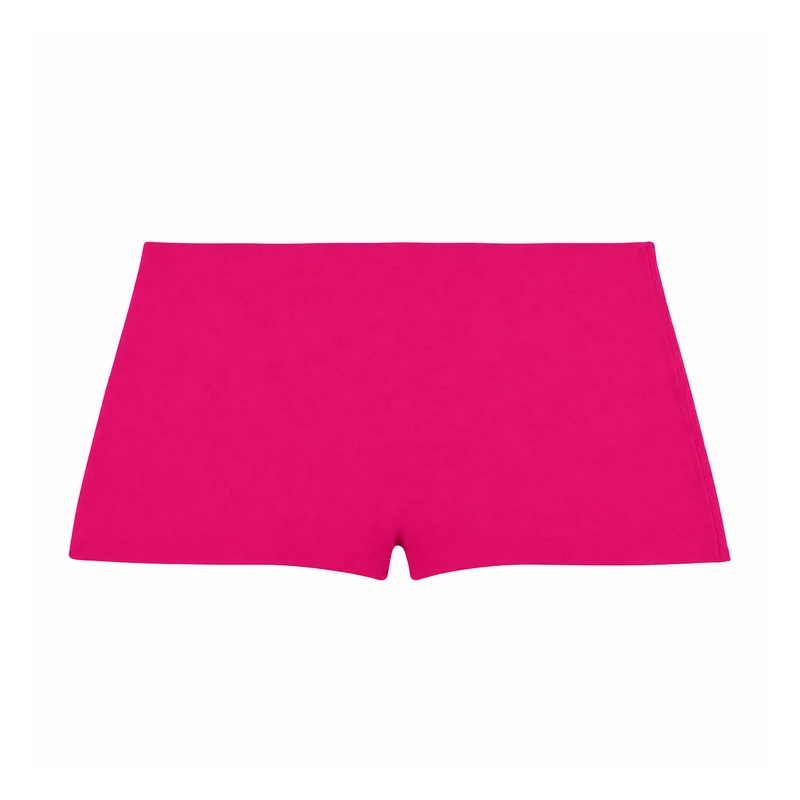
Add subtle surface texture to your short leg range. GM compares the selected fabric and finished edges on your development sample.
Compare the Surface Detail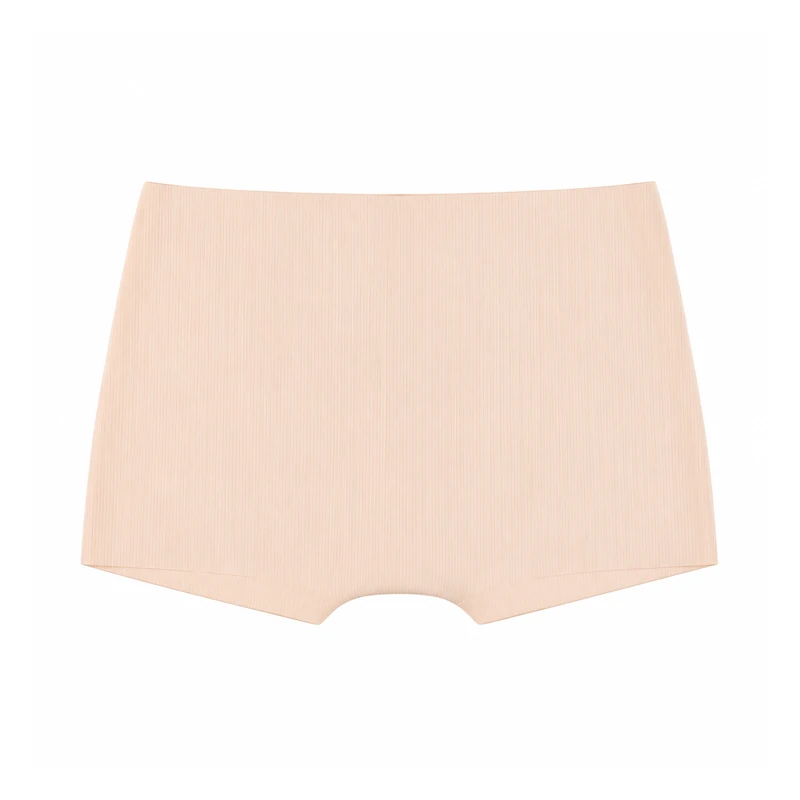
Bring a fine vertical texture into your basics range. GM checks the material, leg finish and fit on a sample before you approve.
Review the Fine Texture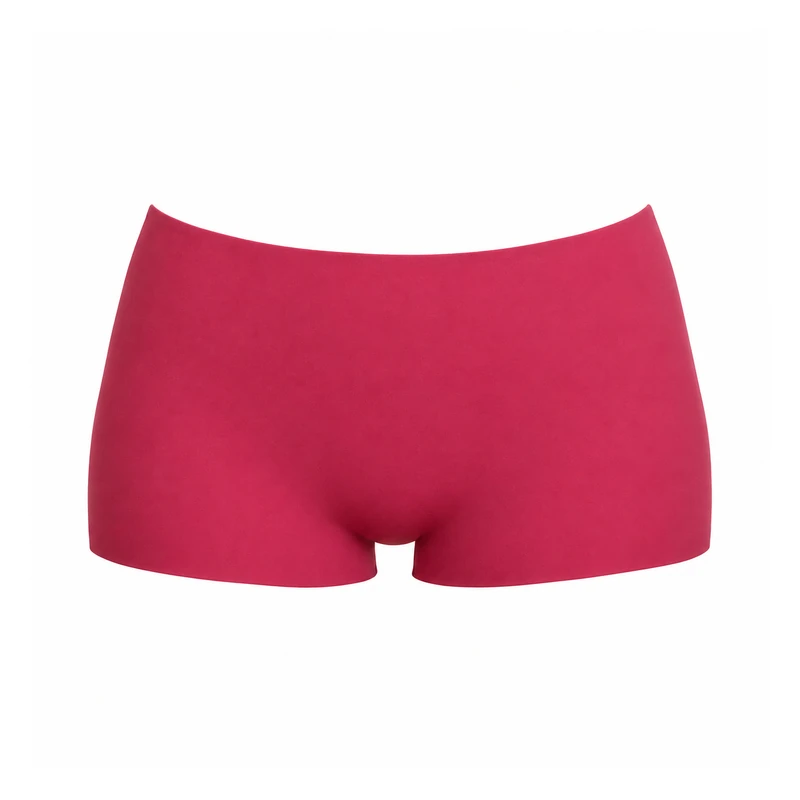
Assess a cotton blend for your everyday range using this fit reference. GM confirms the chosen composition, edge finish and coverage on samples.
Assess the Cotton Blend Sample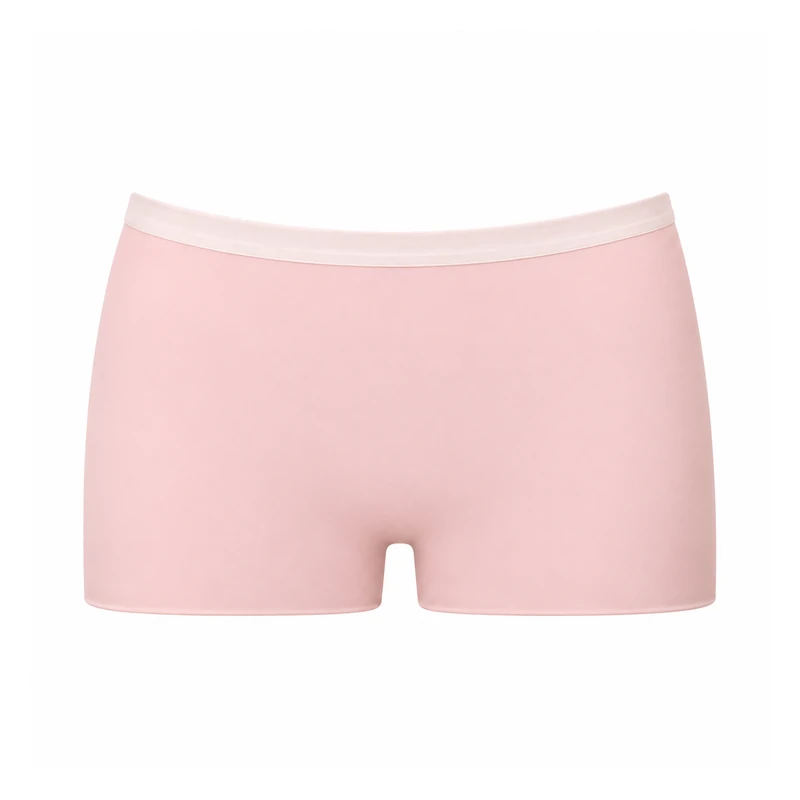
Use a contrasting waist edge to coordinate your basics range. GM samples the trim width, shade pairing and fit with your selected fabric.
Coordinate the Waist TrimUse lace or shaped edges to coordinate your collection, then review the waist and leg finishes on samples.
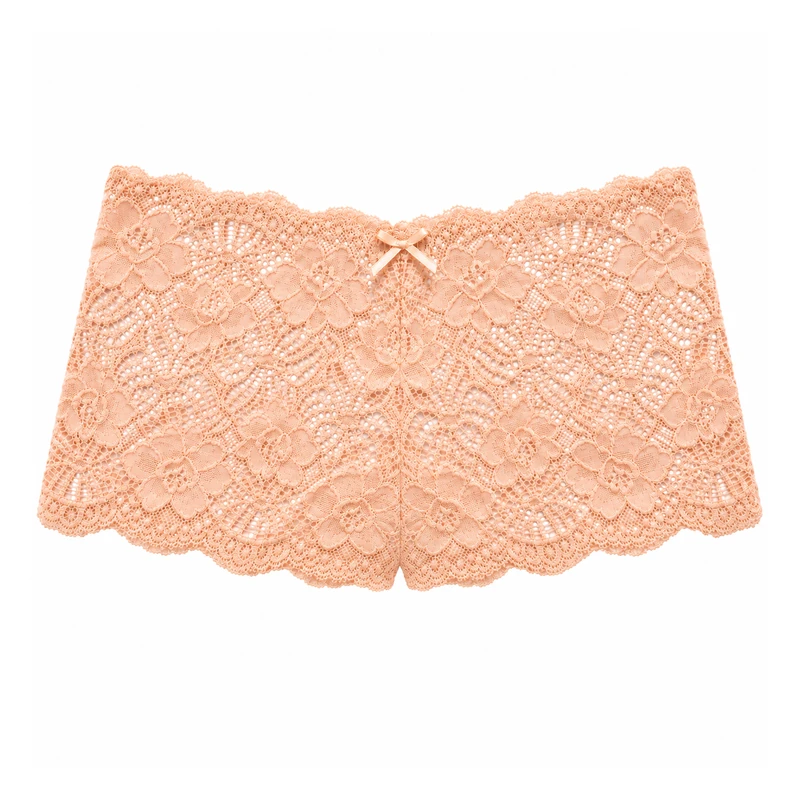
Coordinate your lace collection with an allover floral option. GM reviews the lace pattern, center join and clothing outline on your development sample.
Plan the Floral Lace Option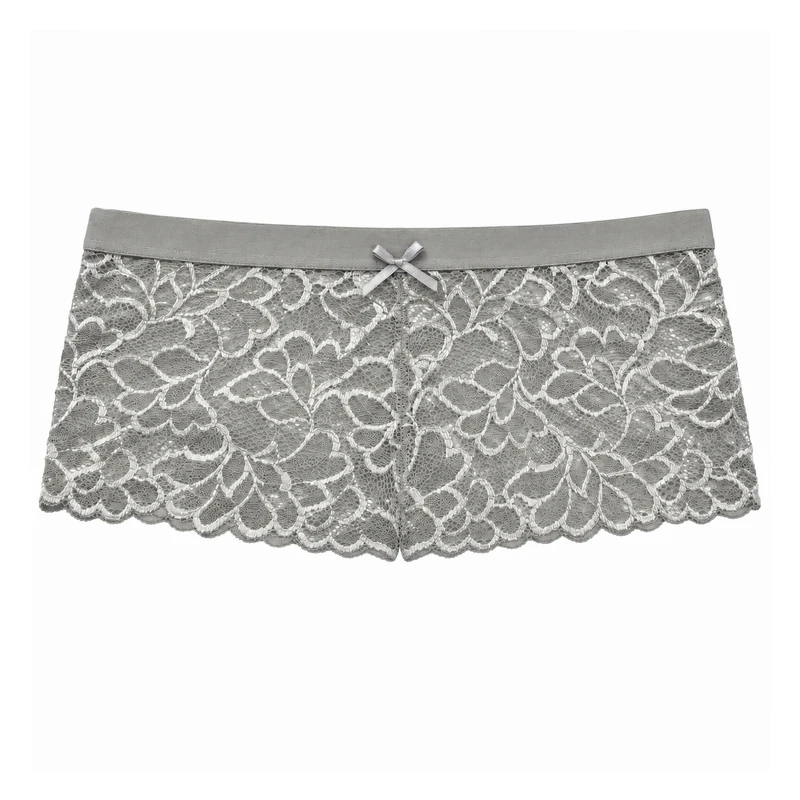
Add a smooth waistband to your lace assortment. GM reviews the waistband join, waist tension and clothing outline on your development sample.
Compare the Lace Waistband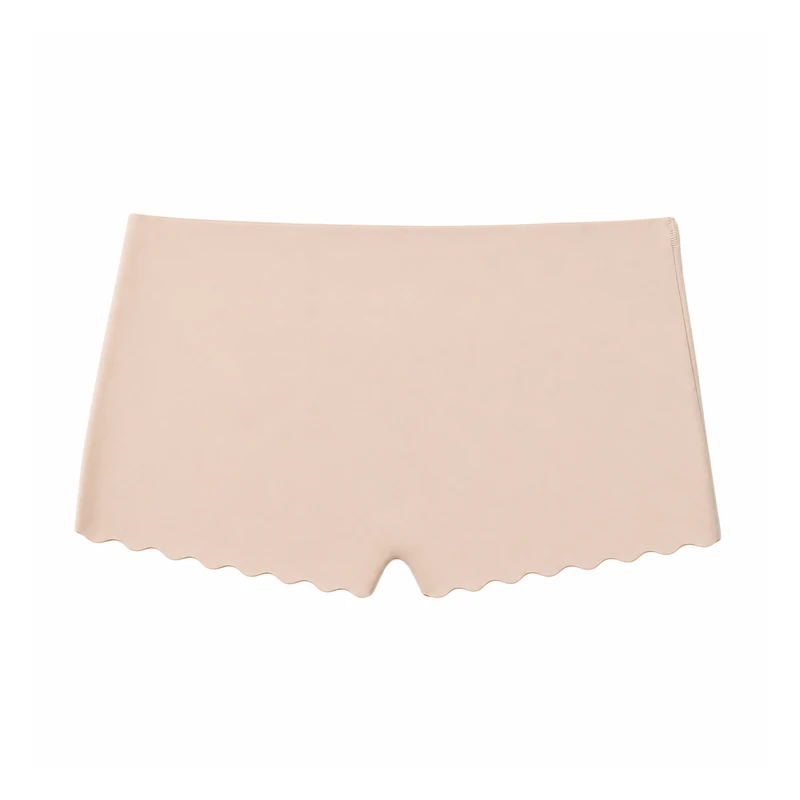
Give your smooth basics a scalloped leg edge option. GM samples the edge shape, leg coverage and clothing outline before you approve.
Compare the Scalloped Leg Edge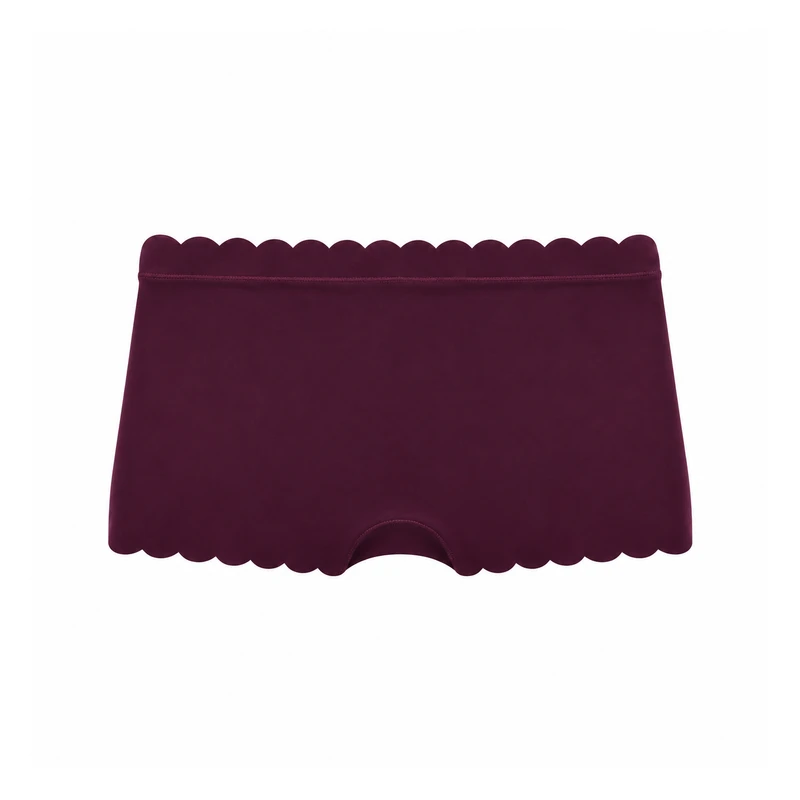
Add matching scalloped waist and leg edges to your basics range. GM trials the edge pattern, opening stability and clothing outline on samples.
Develop the Scalloped WaistReview decorative areas, waist and leg finishes, and necessary interior attachments on the sample.
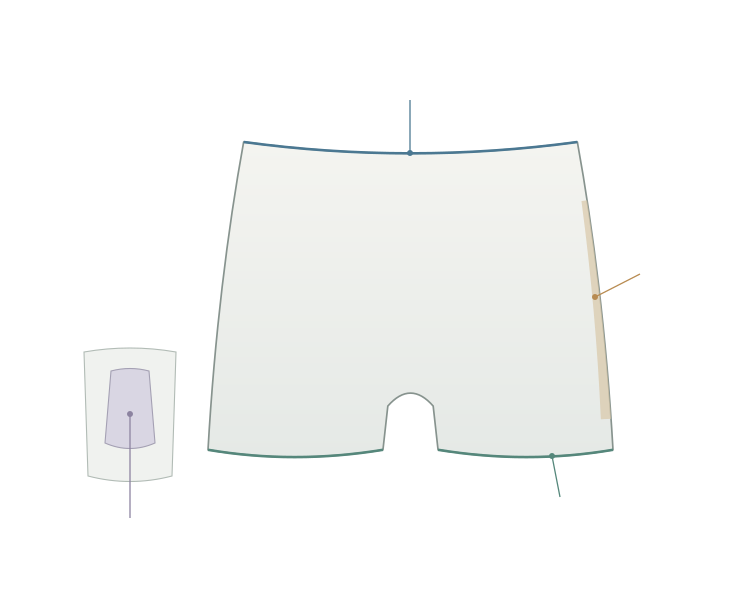
GM starts with the intended rise and a thin waist edge in the selected body fabric. Your sample brief records whether a clean-cut edge or suitable flat bonding can hold the proposed shape. We review the relaxed opening, local thickness and recovery with you. The waist and seat are approved together, using the intended outer clothing to compare any visible outline.
Your leg edge is reviewed as part of the full short-leg garment. GM assesses a clean-cut finish or suitable flat bonding on the selected material, then compares edge thickness, curl and recovery under the agreed conditions. The edge trial moves into a complete sample so your team can review the leg position, coverage and any outline through the intended outer clothing.
GM confirms any local body joins and gusset attachment from both inside and outside sample views. A cotton lining can be assessed with suitable bonding or discreet interior stitching where needed. Your specification records its coverage, position and attachment thickness. You approve those interior details alongside the smooth outer waist and leg edges, with the actual materials and label description recorded for your order.
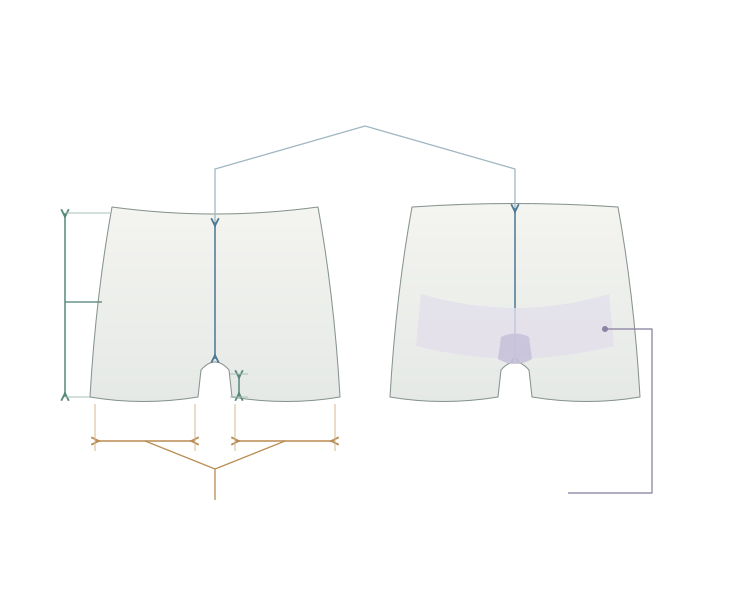
GM marks the rise, side and inner-leg lengths, relaxed openings and seat points on your sample specification. With you, we agree the base size, wearer and movements. The review compares how waist and leg edges show through the same outer garment while standing and sitting, alongside rolling, arching and upward movement. GM links photographs and measurements to the sample version and uses the observations to propose your next revision.
For your next review, GM can compare the starting sample with one revised pattern, edge tension or fabric route under the same conditions. If the original material curls at the cut edge, a lightweight double-knit candidate can be trialed in the same pattern. We record thickness, recovery and leg position after the agreed wear or wash checks, then submit the proposed change for your approval.
| What you see | What GM compares | What you approve |
|---|---|---|
| A leg edge rolls or arches | The same-size pattern with one change to opening tension or finish. | The revised edge position and the recorded check conditions. |
| A short leg moves upward | Inner-leg extension, seat allowance and front-to-back balance. | The whole-garment revision and its fit notes. |
| A cut edge curls or develops fuzz | The intended fabric against an agreed material or finish alternative. | The actual fabric reference, finish and accepted sample. |
GM develops the garment measurement sheet alongside your target body-size chart. From the accepted base size, we prepare the agreed representative and boundary sizes to review waist, hip room, front and back rise, leg length, opening and gusset position together. Your team receives the size-set measurements and revision references for approval. Bulk material preparation follows approval of that size set, with tolerances and size coverage recorded for your order.
The approval sequence below keeps fit, materials and the actual production lot connected. GM confirms the sampling plan and order timing for your project.
GM’s final inspection and packing review work from your approved sample and specification. For this short-leg cut, agree the checking coverage for leg length, left-right opening symmetry, seat measurements, gusset attachment and joins, alongside labels and pack contents. GM records the agreed findings and any correction or reinspection. Buyer-arranged third-party inspection, report scope and timing are coordinated for your order.
For replenishment, GM reviews your order against the retained specification and approval references. A new color goes through its own color submission. A replacement fabric may require another edge and fit trial. Revised pack ratios, barcodes or artwork need the corresponding packing approval. You receive the affected items and required resubmissions before the changed specification is released for production.
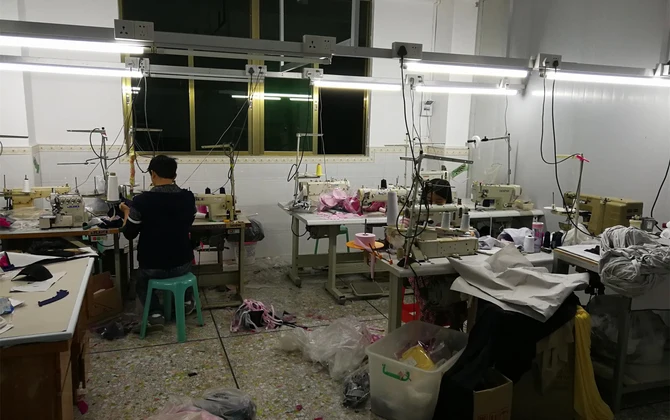
See GM’s sample room, fabric storage, spreading and cutting, sewing, final inspection and packing areas supporting your development and order preparation.
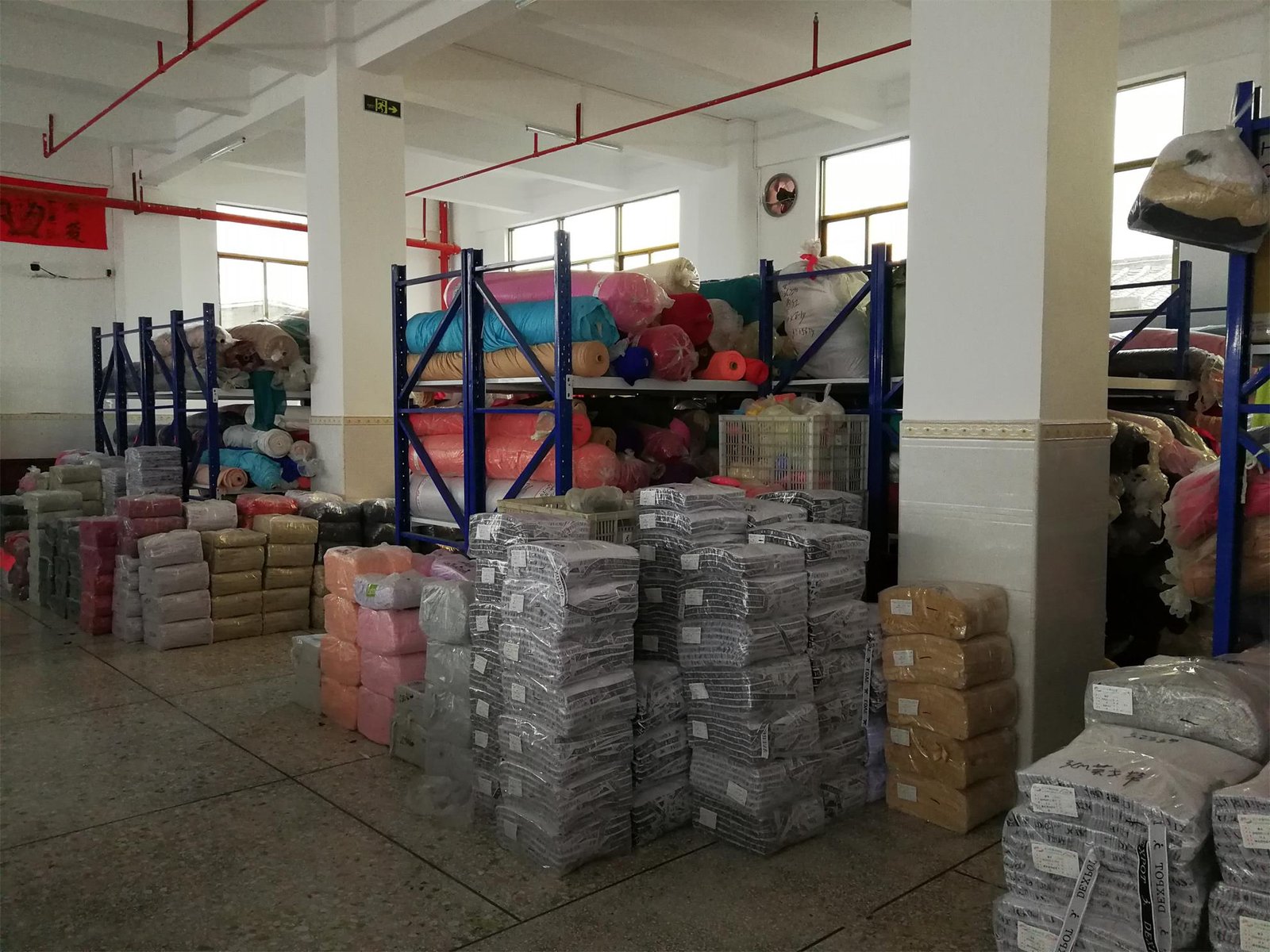
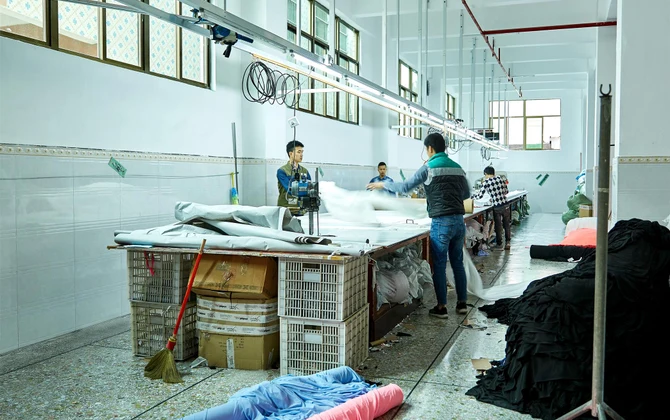
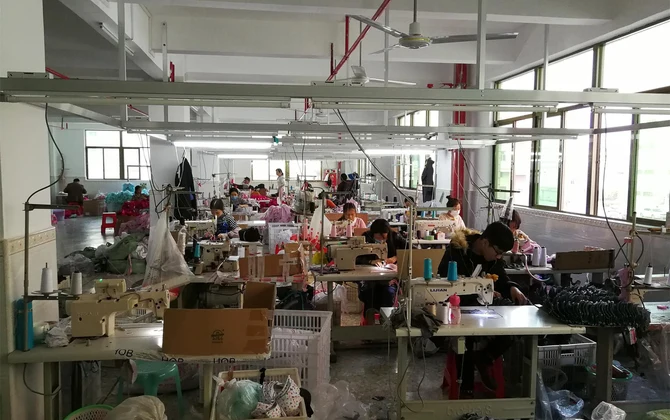
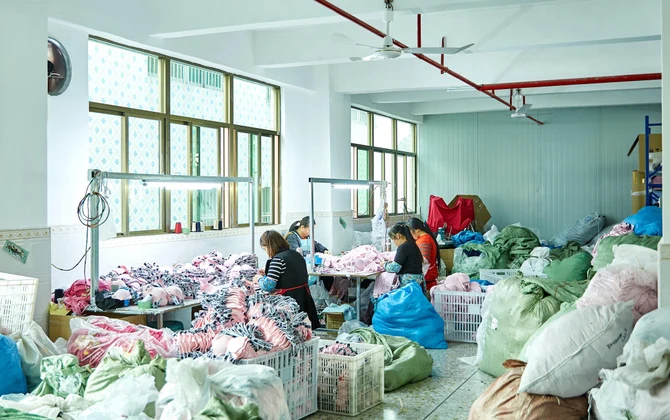
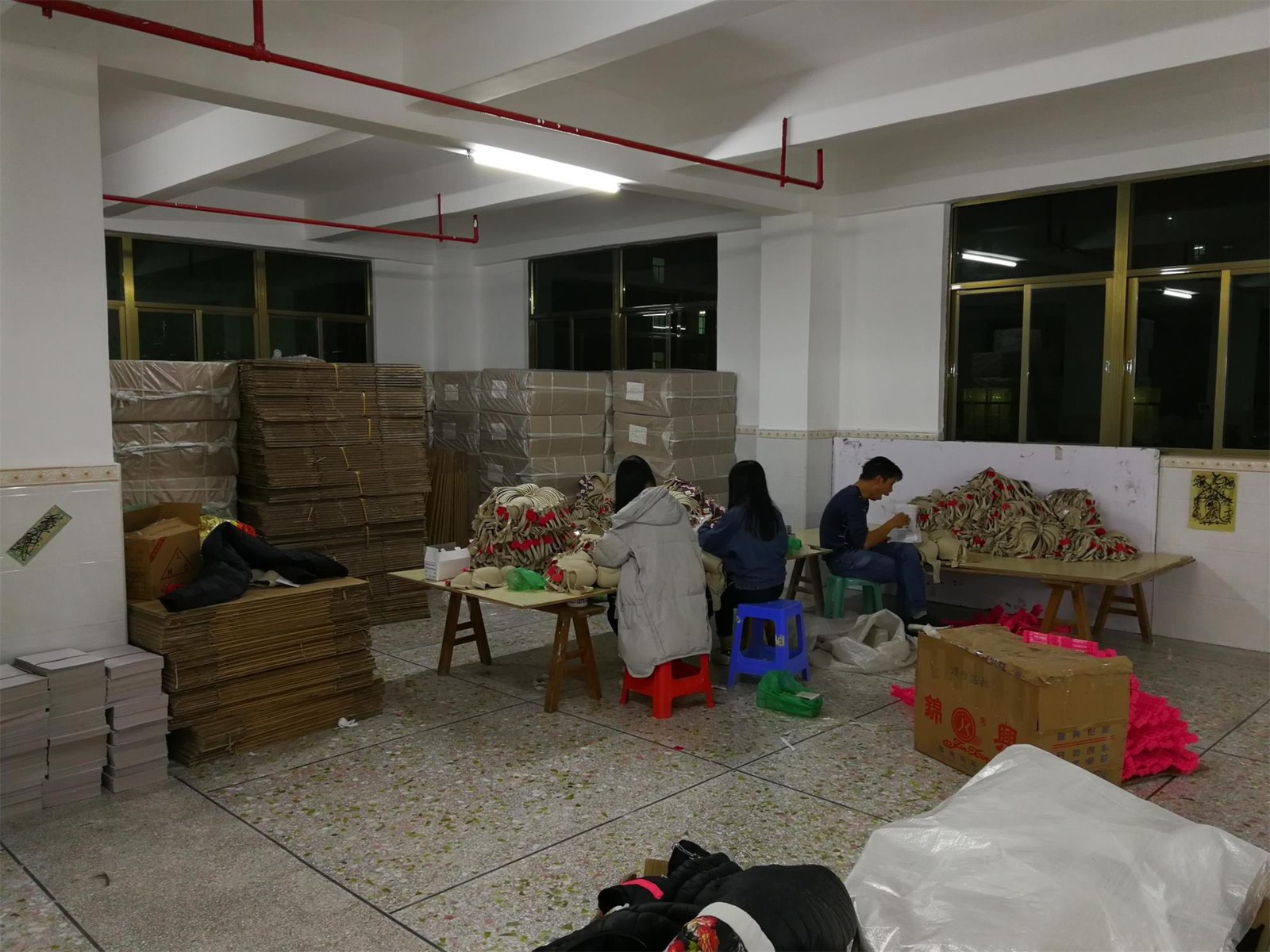
GM reviews your style reference, rise, leg length, fabric, finish and quantities by color and size. For multipacks, add the pack contents, SKU or barcode mapping, artwork and carton needs. We then set out the garment price, development work, minimum quantities and packing charges applicable to your brief. Your quotation also identifies sample availability, shipping costs and the delivery plan for this style.
GM marks the rise, side length, inner-leg extension and relaxed openings on your sample specification. We agree the base size, wearer and movement checks with you, then review seat coverage and leg-edge position. Under the same outer garment, we compare any visible waist and leg-edge outlines while standing and sitting. GM records rolling, arching, upward movement and visible outlines, then proposes a targeted pattern, material or edge revision for your review.
GM prepares a garment measurement sheet separately from your target body-size chart, then develops the agreed representative and boundary sizes. We review the rise, hip allowance, leg length, openings, symmetry and gusset position together, including how coverage changes across the range. You receive the size-set samples, measurement results and revision references to approve. The accepted size set becomes the basis for bulk material preparation; the order records its coverage and tolerances.
GM reviews your intended fabric and color for a clean-cut edge or suitable flat bonding, then trials the chosen finish in the short-leg garment. We compare thickness, fuzzing, curl, recovery and any bond lifting under agreed conditions. For decorated options, you also approve the motif, shade match, join thickness and outline under your target clothing. Material references and sample observations support your approval of the final finish.
Yes, you can include a cotton-gusset requirement in the development brief. GM assesses the lining with the chosen body fabric and a suitable interior attachment. The sample separates finished crotch width from lining coverage and shows the front and back position, join thickness and contact surface. You approve the actual lining composition, discreet attachment and label description, together with any agreed movement, stretch or wash checks.
After the PO and development scope are agreed, GM submits the fitting sample and applicable lab dips together. Your fit feedback guides revisions, followed by the agreed size set. Bulk materials are prepared after size-set approval. GM then submits a pre-production sample made with those materials and the agreed construction, branding and packing references. Production begins after your PPS approval; sampling rounds and timing are confirmed for your project.
GM links your reorder to its accepted specification, material and color references, then lists the requested changes. A new color needs color approval. A replacement fabric is reviewed for its effect on leg edges, recovery and fit. Packing changes are checked against the revised assortment, artwork and SKU mapping. We identify which swatches, garments or pack samples need reapproval and record the versions accepted for the changed order.
GM agrees the inspection coverage, tolerances, reporting dates and any third-party visit with you. Actual bulk garments are checked against the approved measurements, construction and packing, with findings, corrections and reinspection recorded as agreed. The TOP or shipment sample is taken from the actual production lot and uses the agreed packing. Your team approves that bulk sample before shipment is arranged. The order defines its color and size coverage.
For wholesale, send your style/color/size quantities and pack composition. For your brand, send the reference or tech pack with the leg shape, fabric and details to retain or change. GM will scope the samples, quote and next approvals with you.
Starting with a trial? Ask GM to assess quantities and material minimums for your selected direction.
Discuss a Trial Project