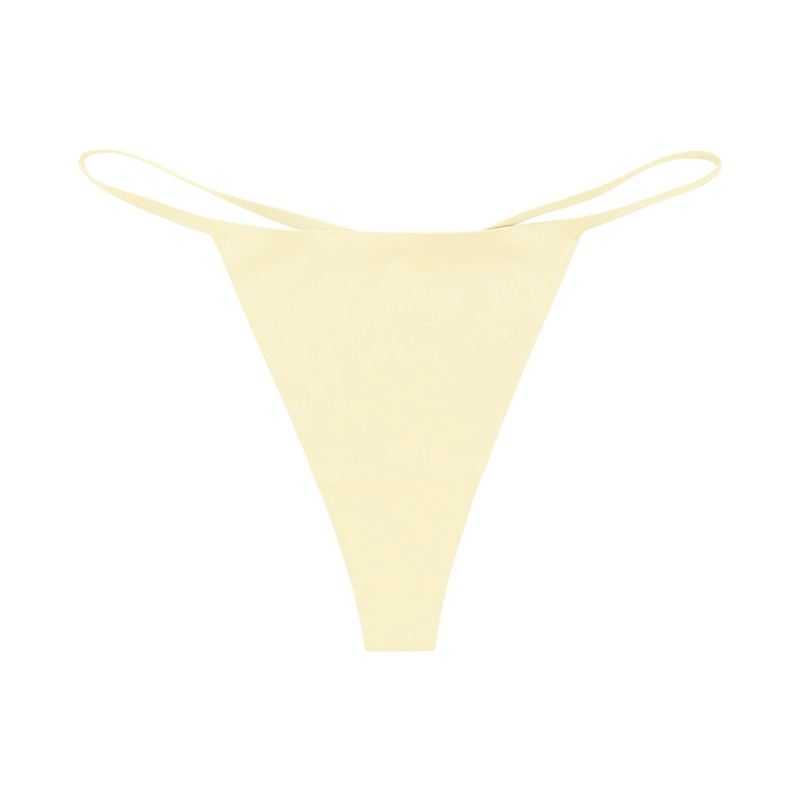
Low-Rise Narrow-Side T-Back No Show Thong
Use this as your low-rise option if you want narrow side straps and a fabric rear strip specified as separate widths.
Develop a Narrow-Side Cut
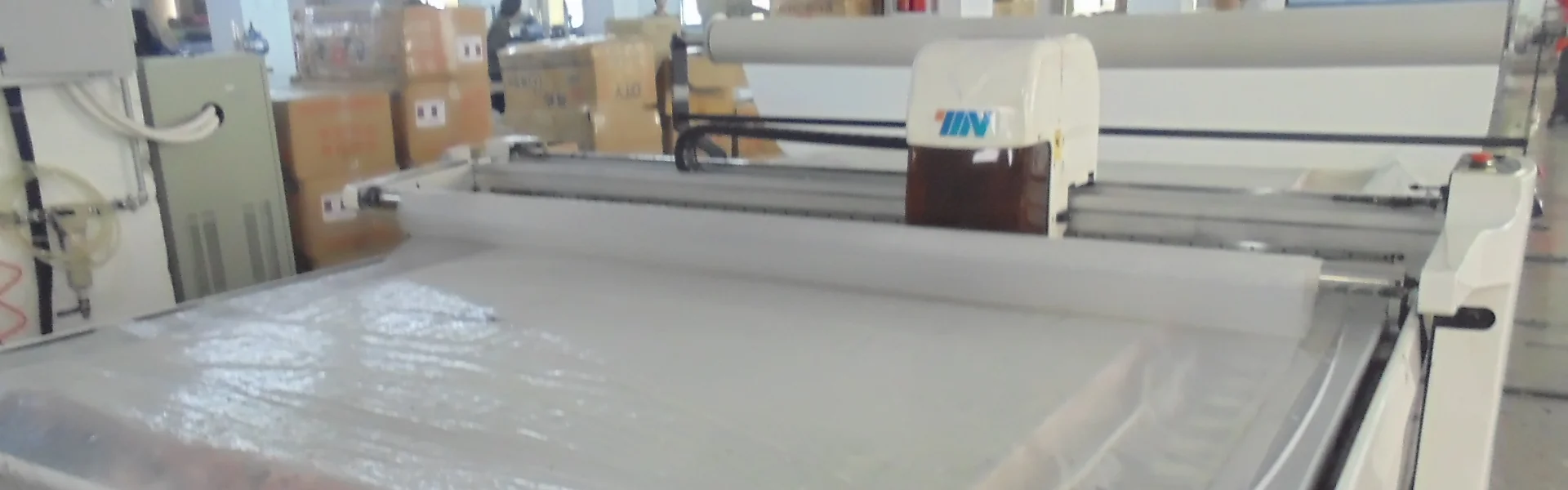
Large wholesalers and independent brands source directly from our factory in Shantou, China.
Ask about a free reference sample. Availability and courier charges are confirmed for your project.
For a wholesale program, give GM the style, color and size split alongside your preferred pack quantities and carton mix. We review which combinations can be quoted together and how packing affects the order. On a replenishment run, the approved garment and packing revision gives us the reference for matching the order and checking the lot.
When you develop a style for your own brand, a sample, tech pack or approved spec gives our sample room a starting point. If your baseline is a mid-rise no-show thong, GM can review the rise, rear strip and gusset with your team. We agree which fit details to carry into the next sample and what your team needs to sign off, including any label or pack changes.
Use these development directions to plan your shortlist. We confirm the cut, material and sample availability with you for each selection.
Set your rise, waistline and base coverage before adding material variants.
Use this as your low-rise option if you want narrow side straps and a fabric rear strip specified as separate widths.
Develop a Narrow-Side Cut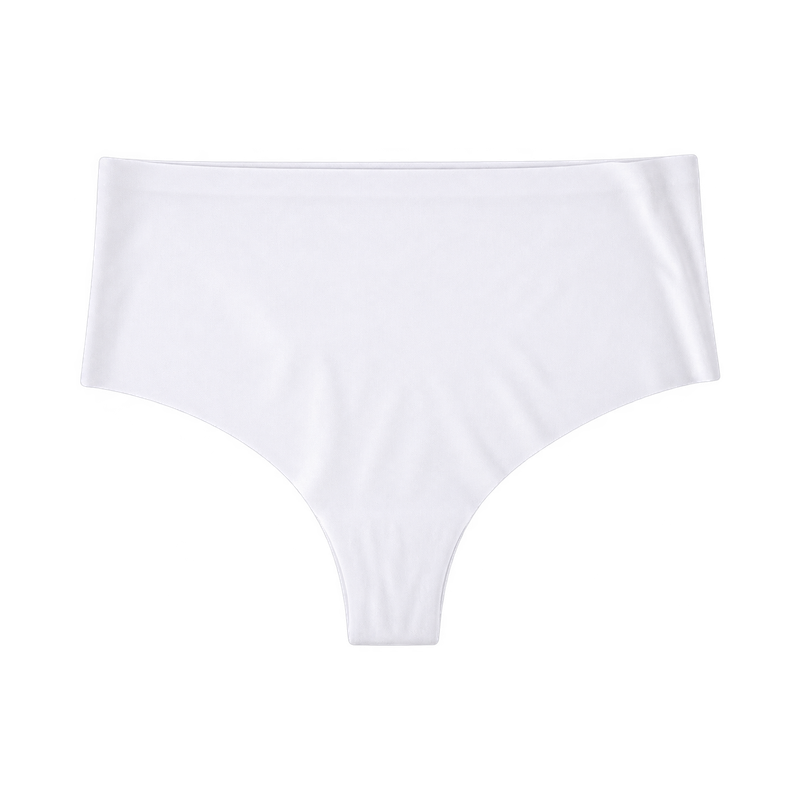
Use this as your base cut for the first order. Set the mid-rise position and rear coverage before adding alternate cuts.
Set Your Core Cut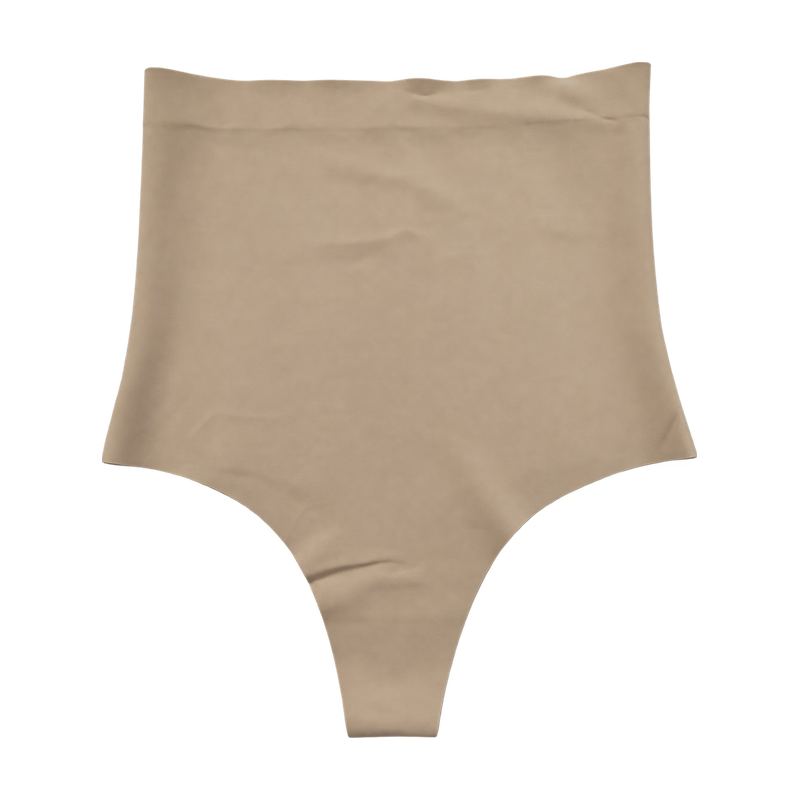
Add a higher waist to your narrow-back range. GM sets the waist height and reviews edge recovery on the fit sample.
Review a High-Waist Sample
Set a defined front V for your low-rise group. GM records the center-front drop and leg opening height on the fit sample.
Define Your V WaistKeep distinct fit requirements and cotton edge constructions on separate briefs.
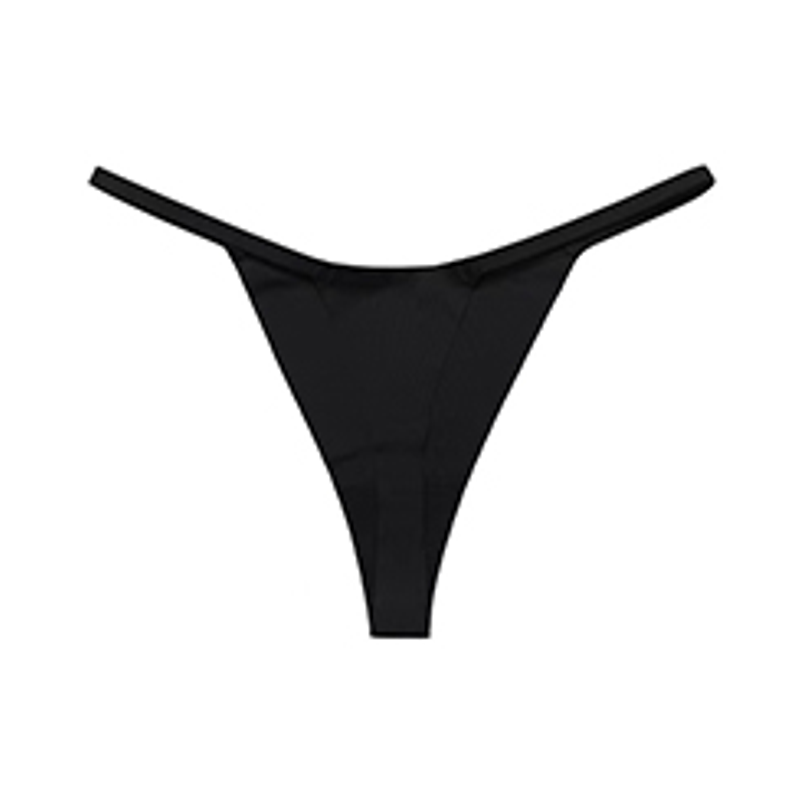
Choose this when the range needs minimal rear coverage. The string attachment and minimum back coverage get their own sample specification.
Review String-Back Fit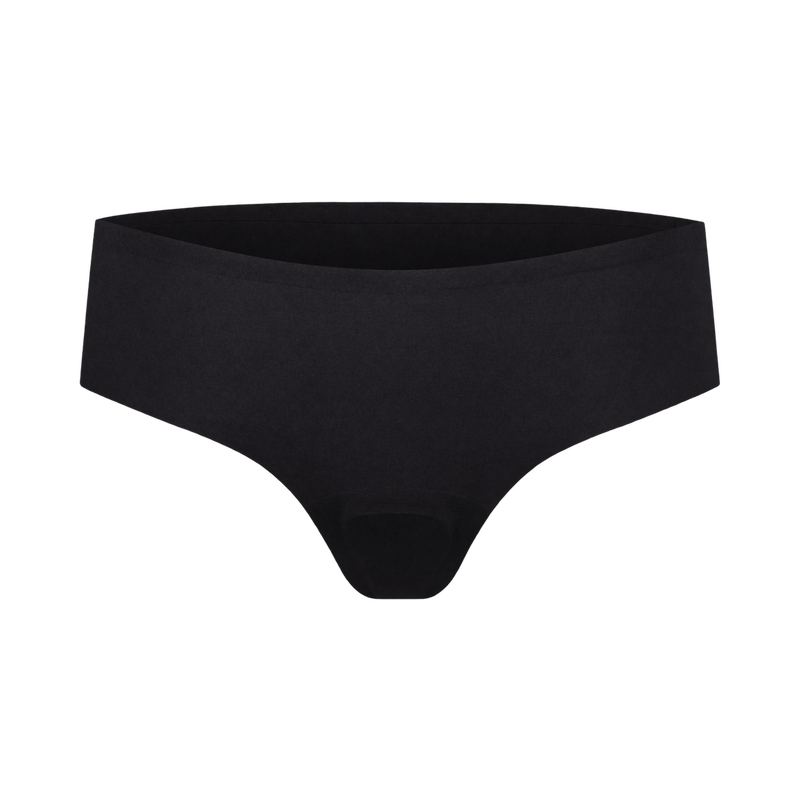
Develop the front panel width, strip position and gusset lining thickness around your target activity. GM reviews feasible sewn or bonded joins.
Brief Your Active Thong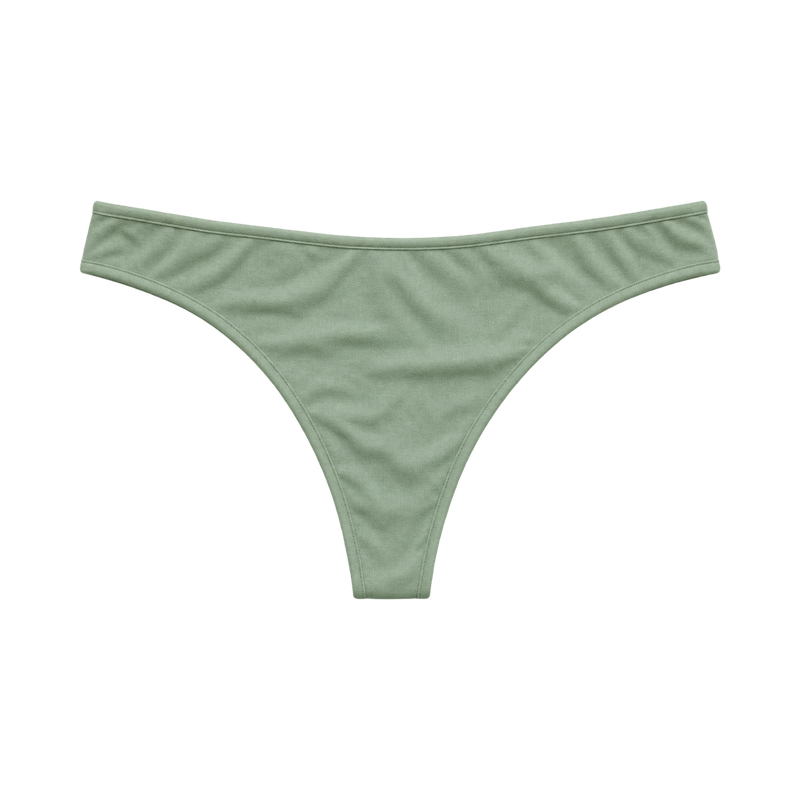 AI design illustration
Quote a narrow self-fabric binding for your cotton knit cut. Review the added edge thickness and recovery on the chosen fabric.
Price Self-Fabric Binding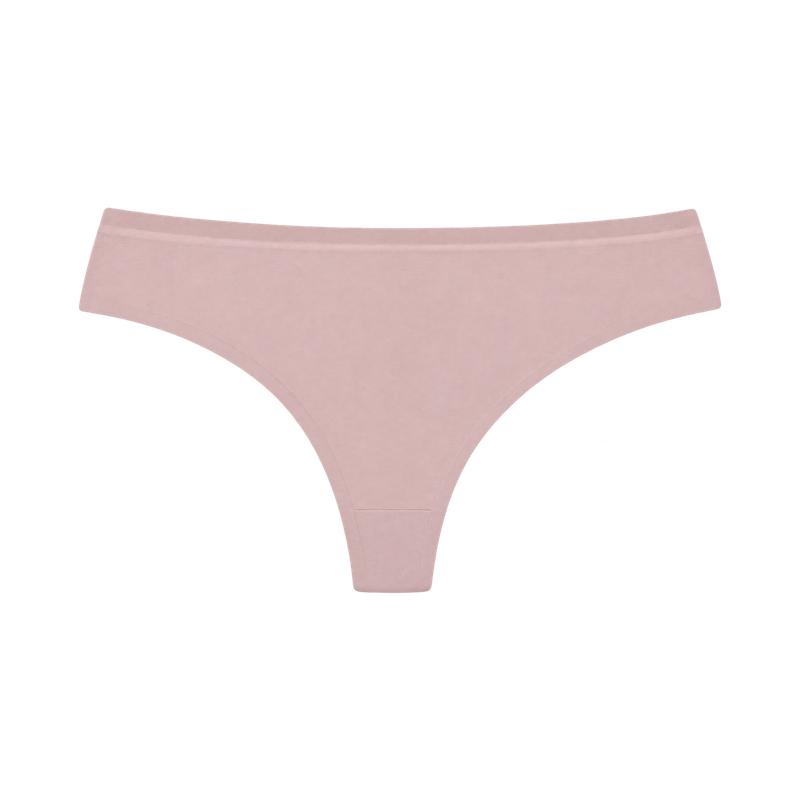
Explore a cotton knit body with bonded edges and a side-seam-free layout. GM evaluates the cotton knit and join before confirming construction.
Assess Bonded CottonPrice the fabric and panel construction for each extension to your line.
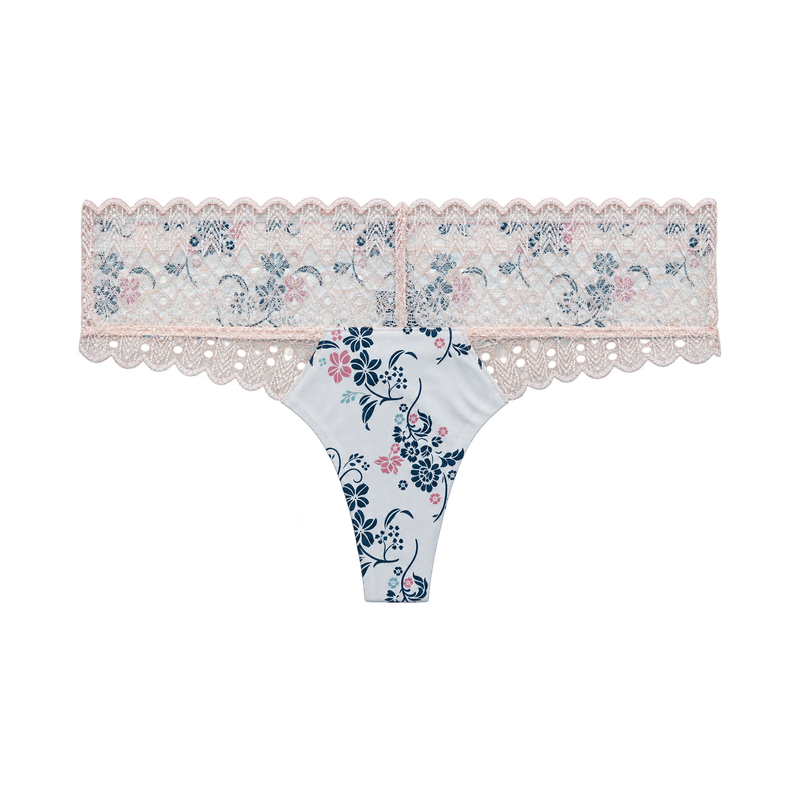
Keep a smooth body fabric and use lace at the edge. Confirm the placement, stretch and thickness where the fabrics meet.
Specify Your Lace Trim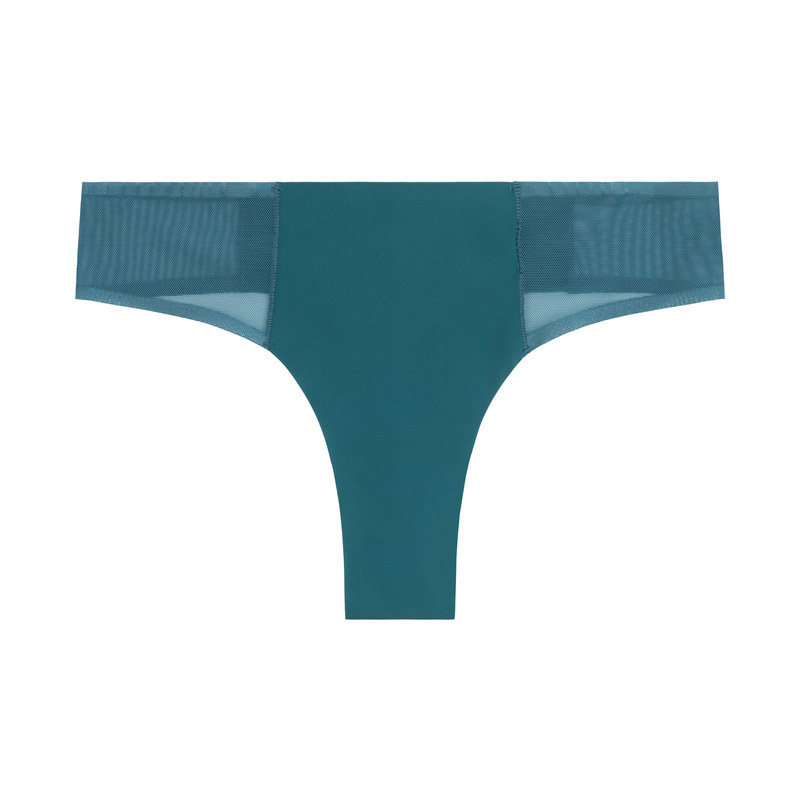
Use smooth fabric for the main body and limit the mesh to the sides. Review how flat the fabric joins and leg openings sit on the sample.
Discuss a Mesh-Side Sample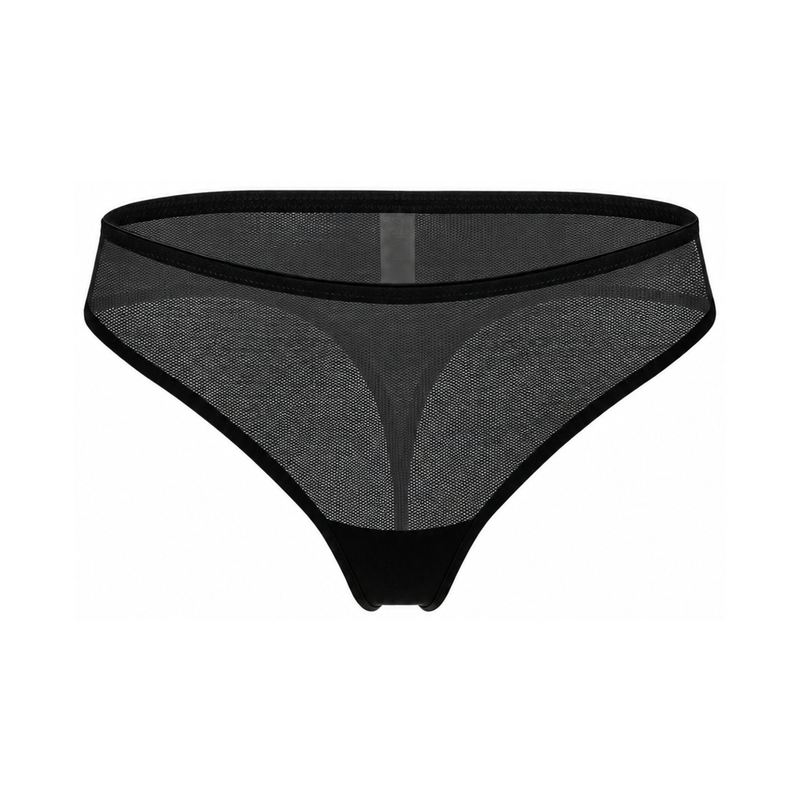
Give mesh its own material and coverage specification. We review the mesh body, narrow T-back and lined gusset together on the sample.
Discuss Your Mesh T-Back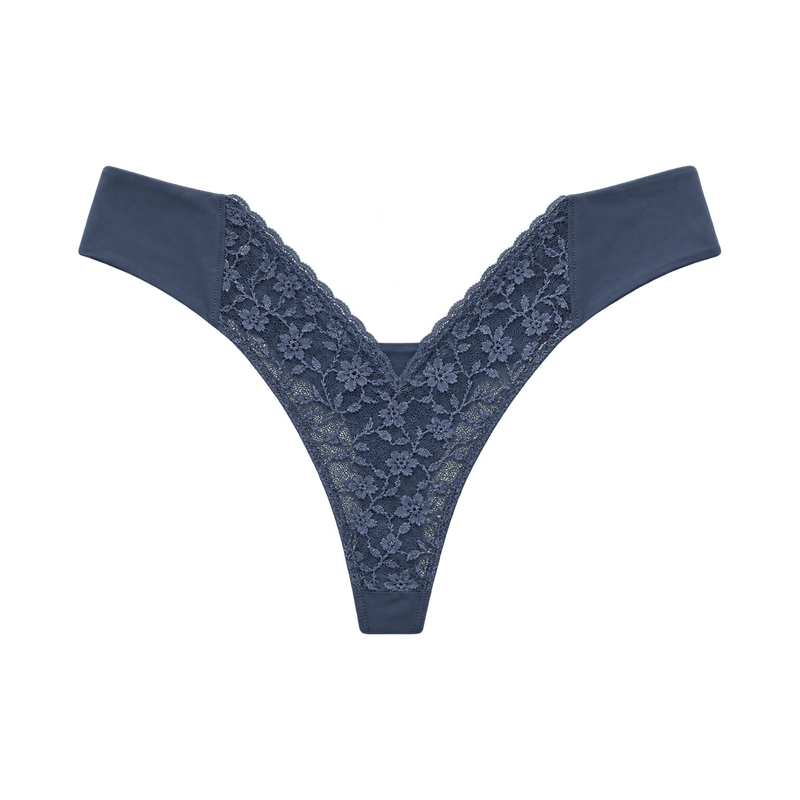 AI design illustration
Plan a deep V lace front with a smooth narrow back. GM assesses a low-profile side join and confirms it in sampling.
Review the Split PanelsA no-show thong brief names the intended appearance under your chosen outer garment. For your production quote, GM lists the waist, leg opening, side join and gusset separately. Laser cutting describes how a fabric edge is cut. Bonding or sewing specifies how adjoining parts are joined. If your brief calls for seamless thongs made by circular knitting, we review that construction requirement separately and confirm feasibility against the actual sample.
For nylon options, GM can record fabric weight and recovery targets on your sample brief.
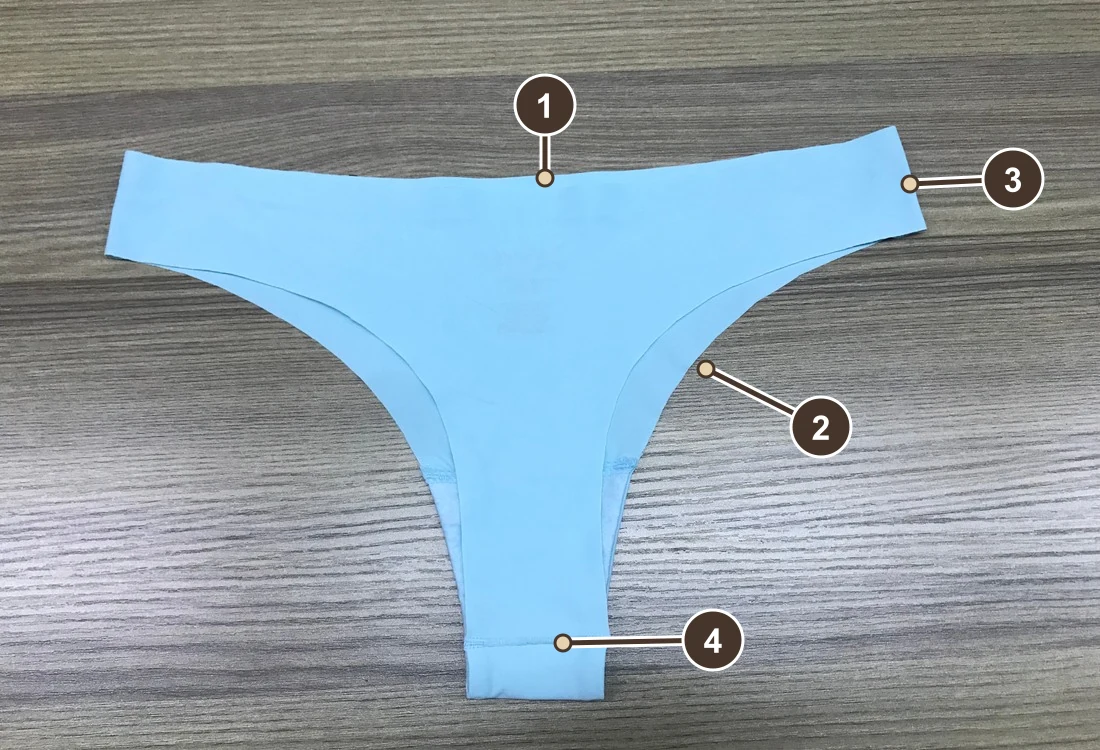
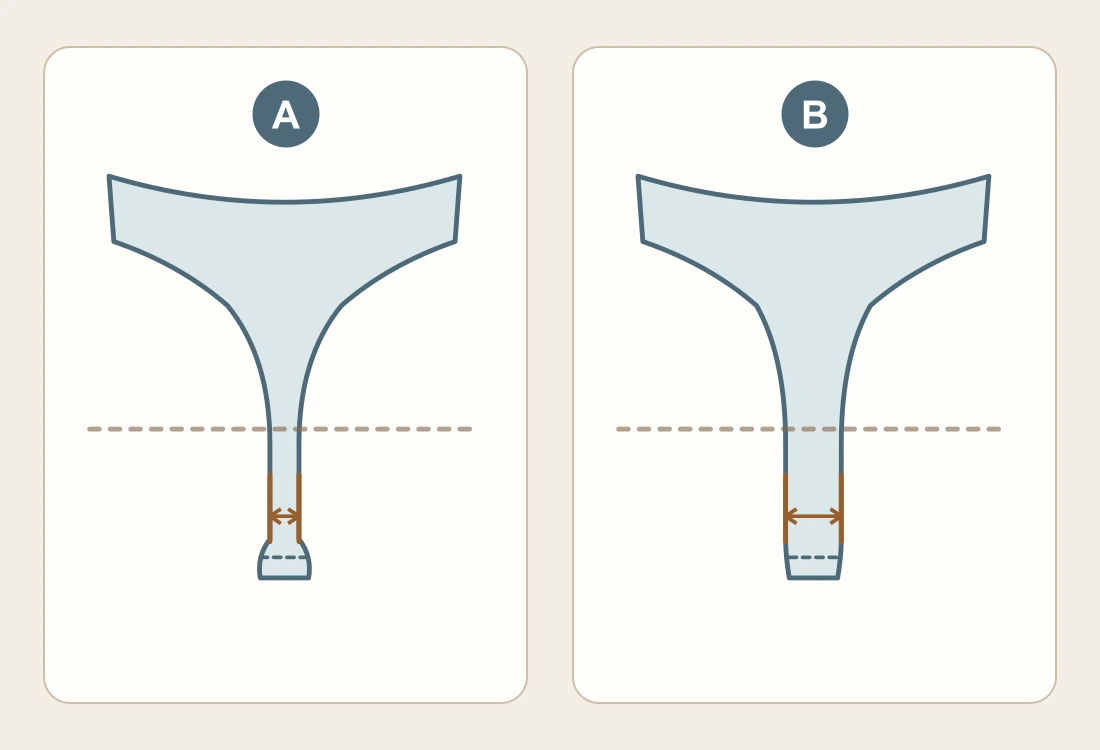
If the waist fits but the rear strip creeps upward in motion, GM marks the front and back rise, rear-strip width and gusset junction on your base sample. We compare two labeled revisions, changing one priority dimension first. We use the same size, fabric, color, outer garment and lighting, then record edge lines, show-through and any shift after the agreed movements. You receive the two samples and the fit notes for approval.
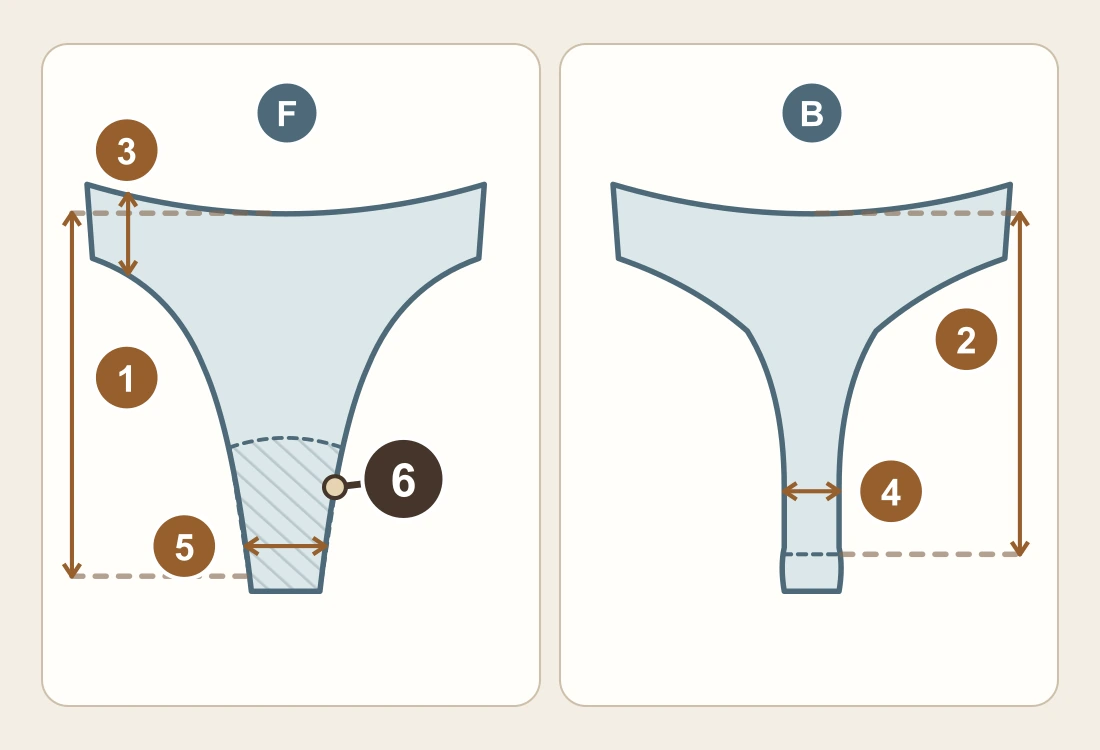
Your approved base pattern gives GM the starting points for grading. We label the front and back rise, side width, narrowest rear-strip point, garment gusset width and lining coverage. The agreed representative sizes and any range-end sizes let you see where those proportions change. You receive the graded set, measurement references and revision for sign-off before GM prepares bulk materials.
GM checks the bulk lot against the approved style, color and size references, including rear-strip width, gusset position, edge and join finish, and packing. We agree on inspection scope, records and rechecks for your order and can coordinate third-party inspection to your requirements. For a reorder, we pull the signed fabric, finish and packing specifications forward. We review any requested changes against the approved sample before updating that version.
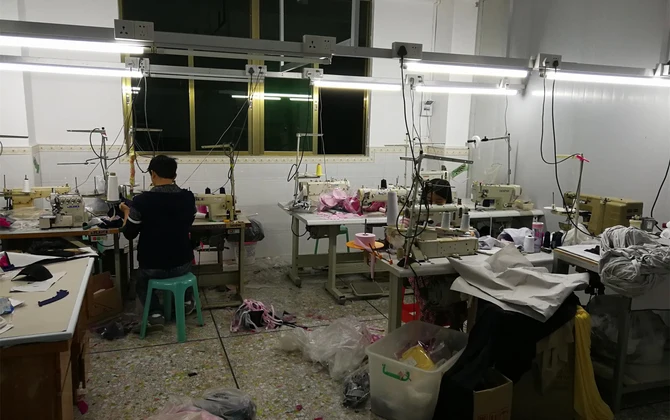
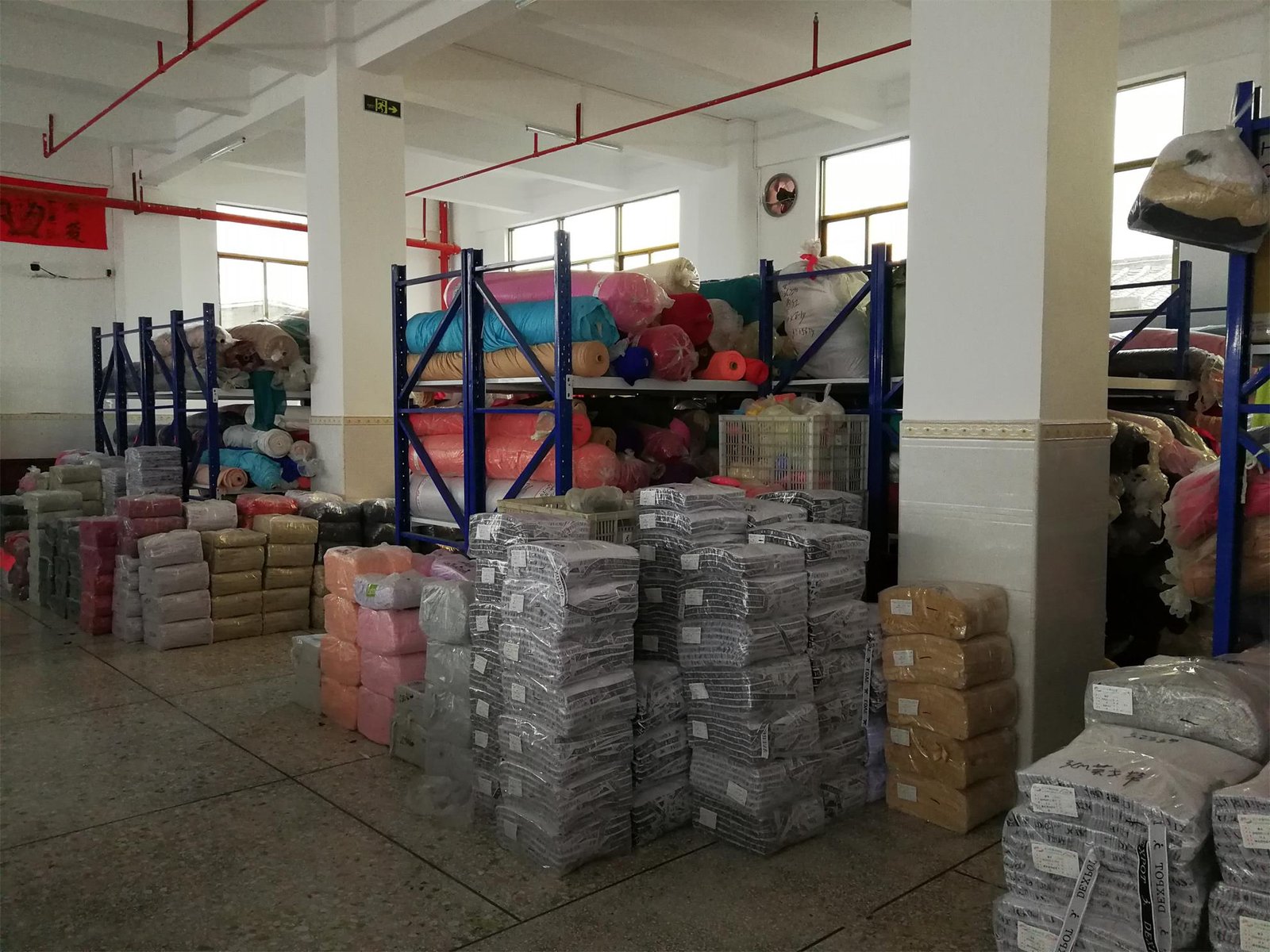
See the GM work areas that support development, production and packing for your project.
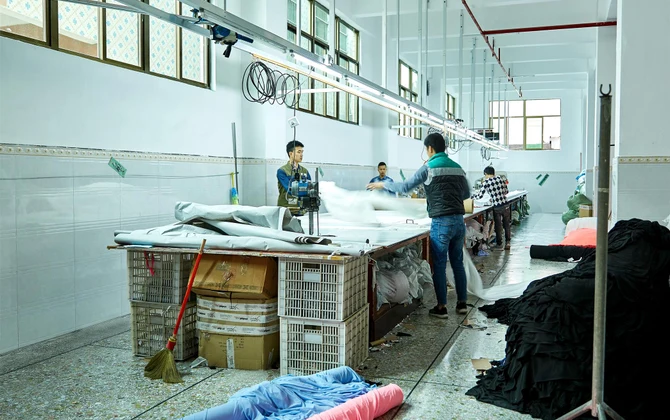
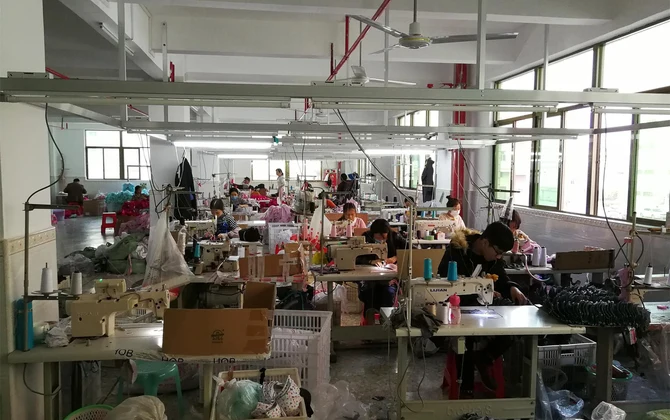
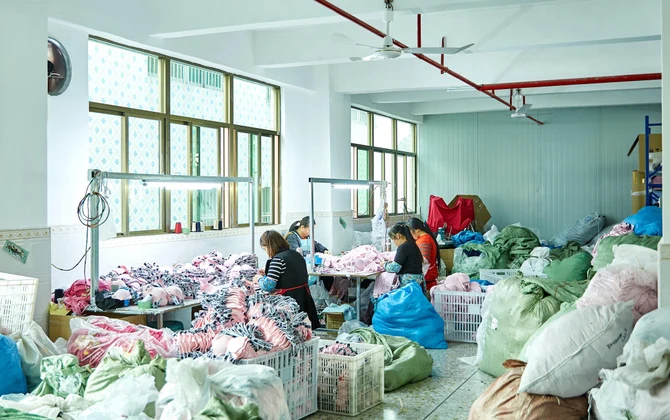
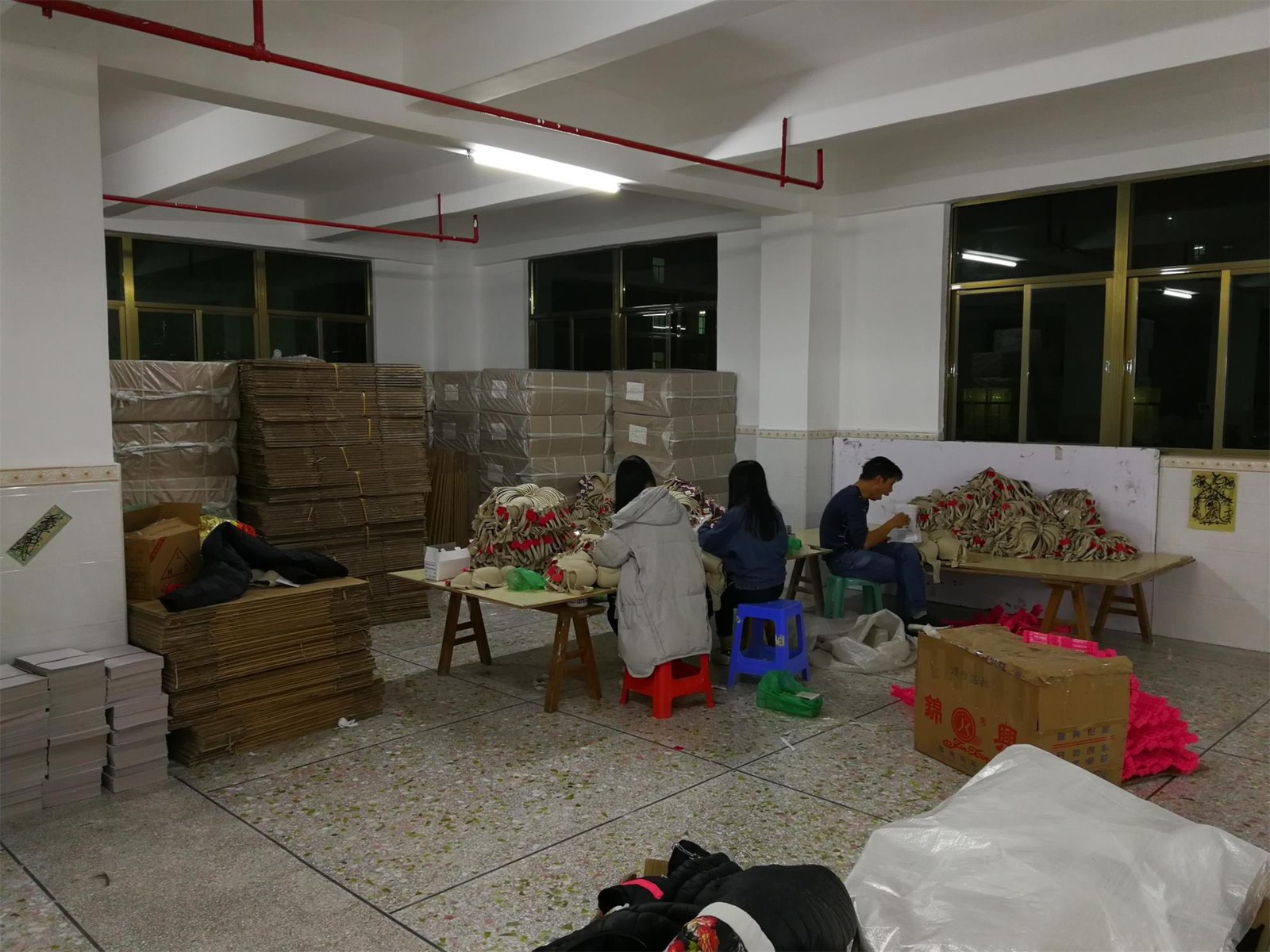
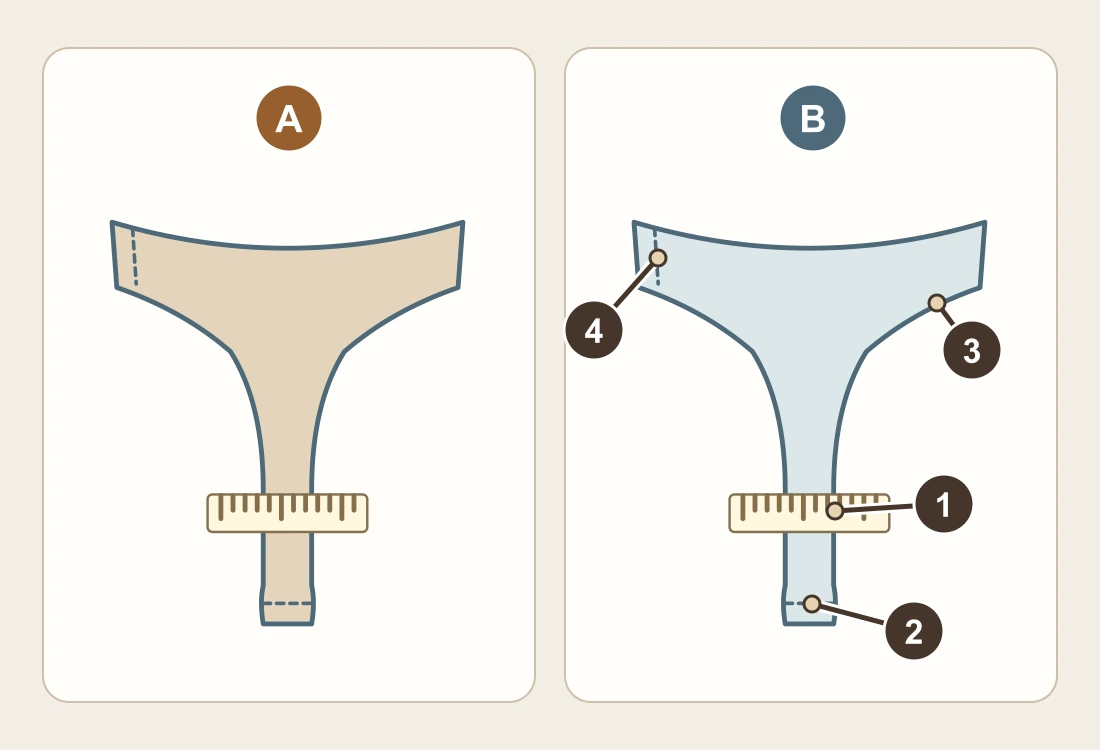
GM reads your reference or tech pack to establish the target rise, side width and narrowest point on the rear strip. For a low-rise narrow-side cut, we map the width of the fabric back separately from the elastic side. You receive marked measurement points to review so your first sample tests the cut you intend to buy.
We specify the finished gusset width and the lining coverage as separate measurements. Depending on your shell fabric and the thickness you can accept at the join, GM can review a sewn attachment or trial a compatible bonded one. The sample brief identifies the lining and attachment, so you can approve the option shown on the sample.
GM can price a laser-cut edge or a sewn binding and review local bonding where the fabric and join allow it. If an edge curls or lifts, we can compare fabric or finish options on the same cut and record the results after the agreed wash and dry. A request for circular knitting gets a separate feasibility review.
We start from the approved base measurements and agree which representative and range-end sizes to make. Your size set shows how the rise, rear-strip width and gusset position carry into those sizes. GM submits the graded samples with the relevant measurements and revision so you can check them against your size chart before releasing materials for bulk.
We first see whether a reference cut is available that suits the waist and back coverage you want. If you need a different rise, back width or gusset, we scope a new development sample and confirm the fee and schedule with you. Ask about a free existing reference sample. Availability and courier charges are confirmed separately.
The quote starts with the cuts you want to develop and your expected quantities by style, color and size. Give us the pieces per pack, barcode mapping and destination when they affect the order. We can separate development, garment and packing items, with applicable minimums and whether your proposed size and color mix can be accepted confirmed in the quote.
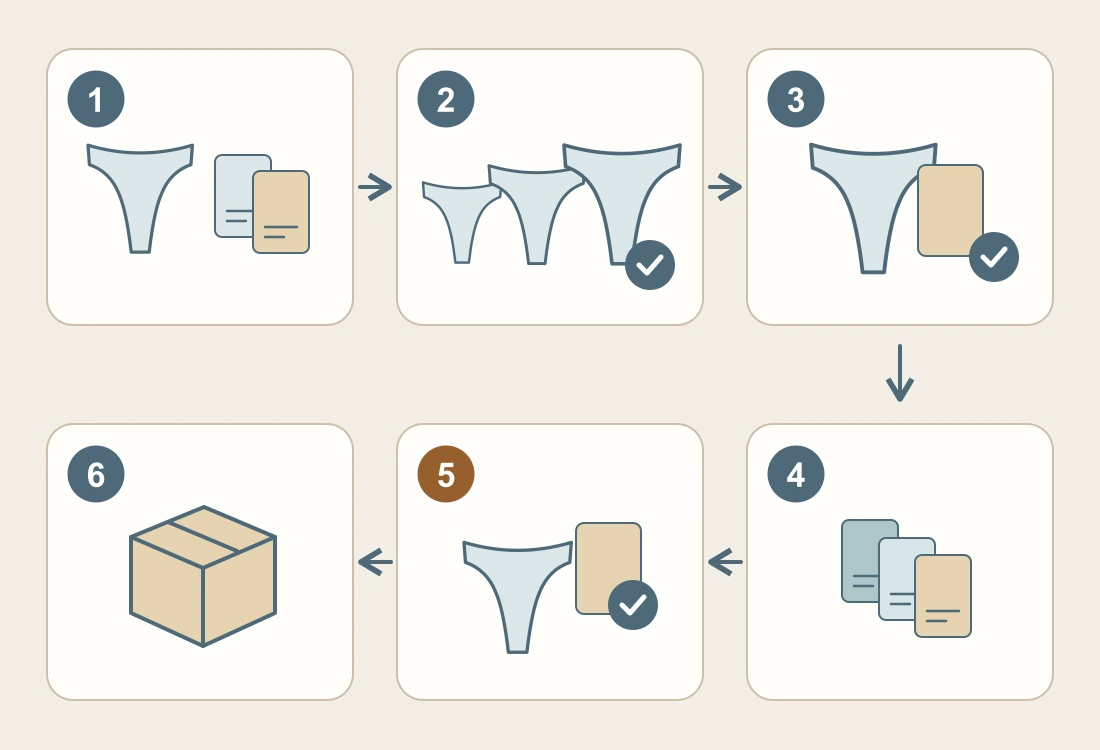
Your first review pairs the fit sample, where you check waist and gusset placement, with lab dips for the proposed shades. The size set shows how that cut fits the agreed sizes. After you approve it, GM prepares bulk materials and uses them for the PPS. Your approval of that construction releases the run.
Your signed specifications for the rear strip, gusset, edges and packing guide our bulk checks. For each order, we agree which inspection records to share and can coordinate any third-party checks you arrange. GM sends you a TOP sample taken from that production lot. Your approval of the sample releases the shipment.
For a bulk quote, share the styles, color and size quantities, cartons and delivery window. For your brand project, share a reference sample or tech pack and the features you want GM to develop or match.
Planning a smaller trial? GM confirms the applicable minimums and sample options for your project.
Ask About a Trial Order